UvA consortium TOYS to conduct research into children’s toys

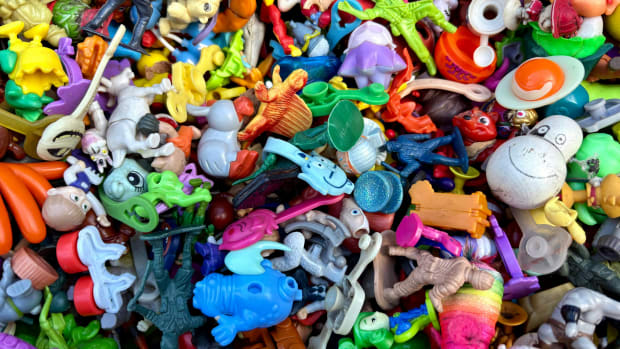
Much children’s toy production is far from sustainable. The vast majority of toys are made from plastic and, to make matters worse, often break easily. That is why the new TOYS consortium, led by the UvA, is now conducting research into circular toys.
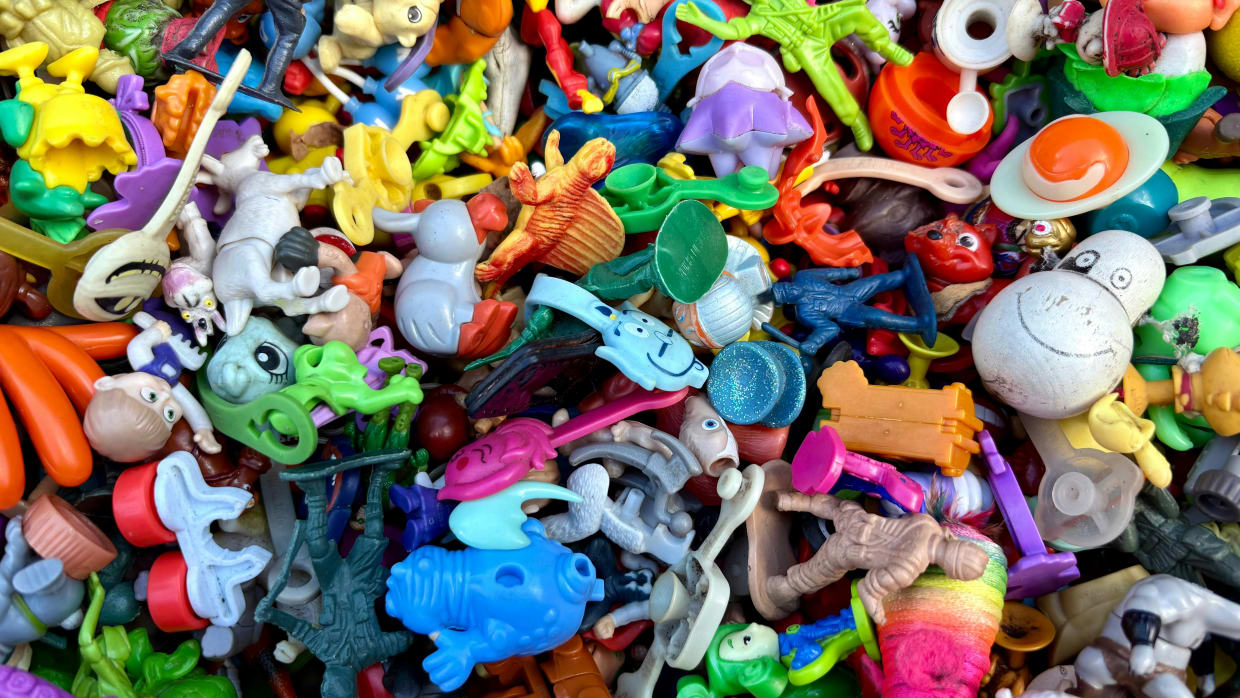
Parents whose floors are strewn with teddy bears and building blocks may not realise it, but there is a whole world of chemical processes, environmental impacts and safety regulations behind all those toys.
Children’s toys are still often made from virgin (and therefore non-recycled) plastic. What’s more, they generally do not last very long and are difficult to reuse. To address this, the new TOYS consortium, led by the UvA, has received more than €7 million from the Dutch Research Agenda (NWA).
The TOYS consortium, which brings together 34 different organisations, aims to examine the entire toy industry supply chain in order to make toys more sustainable and safer. This starts with the materials processed in factories and ends with parents’ purchasing habits. As a result, the project involves not only experts in materials science, chemistry, toxicology and product design, but also behavioural scientists, economists and legal scholars.
Alternative materials
The UvA’s contribution centres primarily on chemistry. Chris Slootweg, professor of circular chemistry, is leading the project and, together with researchers from the Van ’t Hoff Institute for Molecular Sciences, plays a major role in the first sub-project, which focuses on materials. To make toys more sustainable, these researchers are experimenting with innovative bio-based and readily recyclable alternatives to conventional plastics, as well as safer dyes and flame retardants.
The team led by Slootweg aims to develop at least four promising new material systems that could potentially replace conventional plastics.
If they succeed, the next step will be to investigate how circular design principles can actually be implemented in the toy industry. The research project therefore also examines legal requirements, social norms and other factors that could influence the adoption of sustainable toys and parents’ purchasing decisions. The TOYS consortium will run for 54 months.