When I Grow Up | “I really thought: I’m going to save everyone in the world who is suffering”
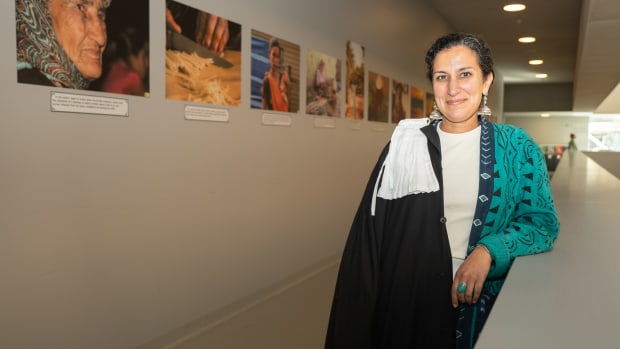
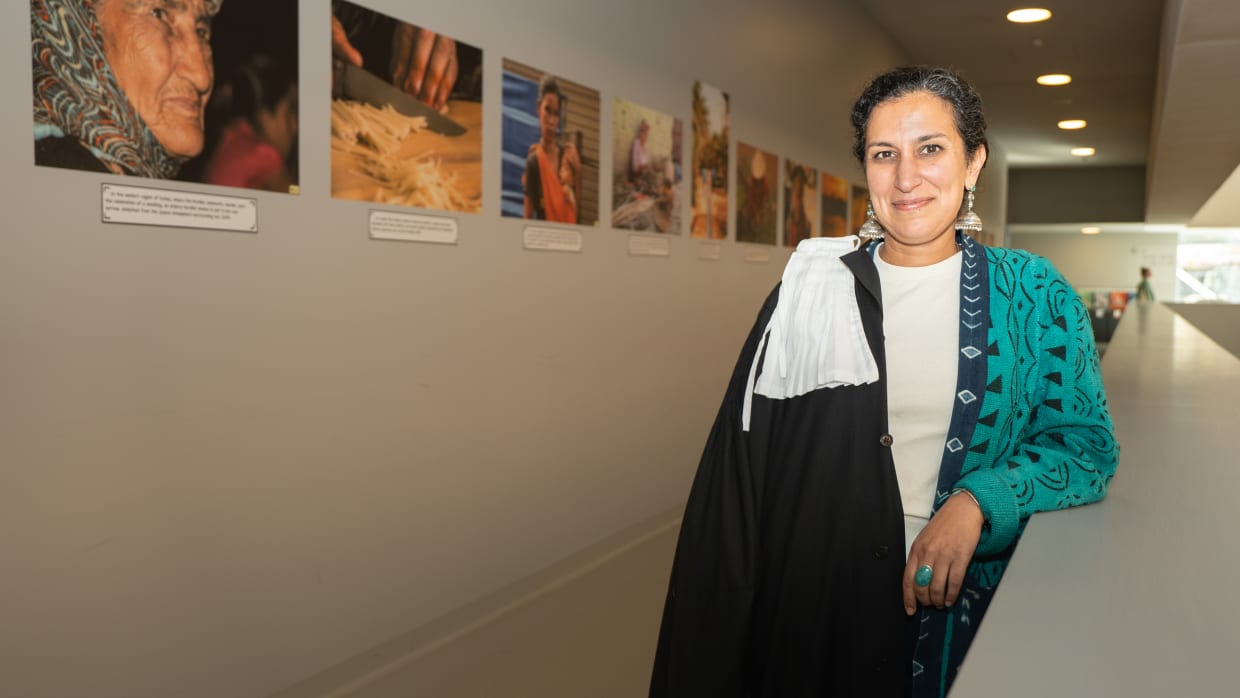
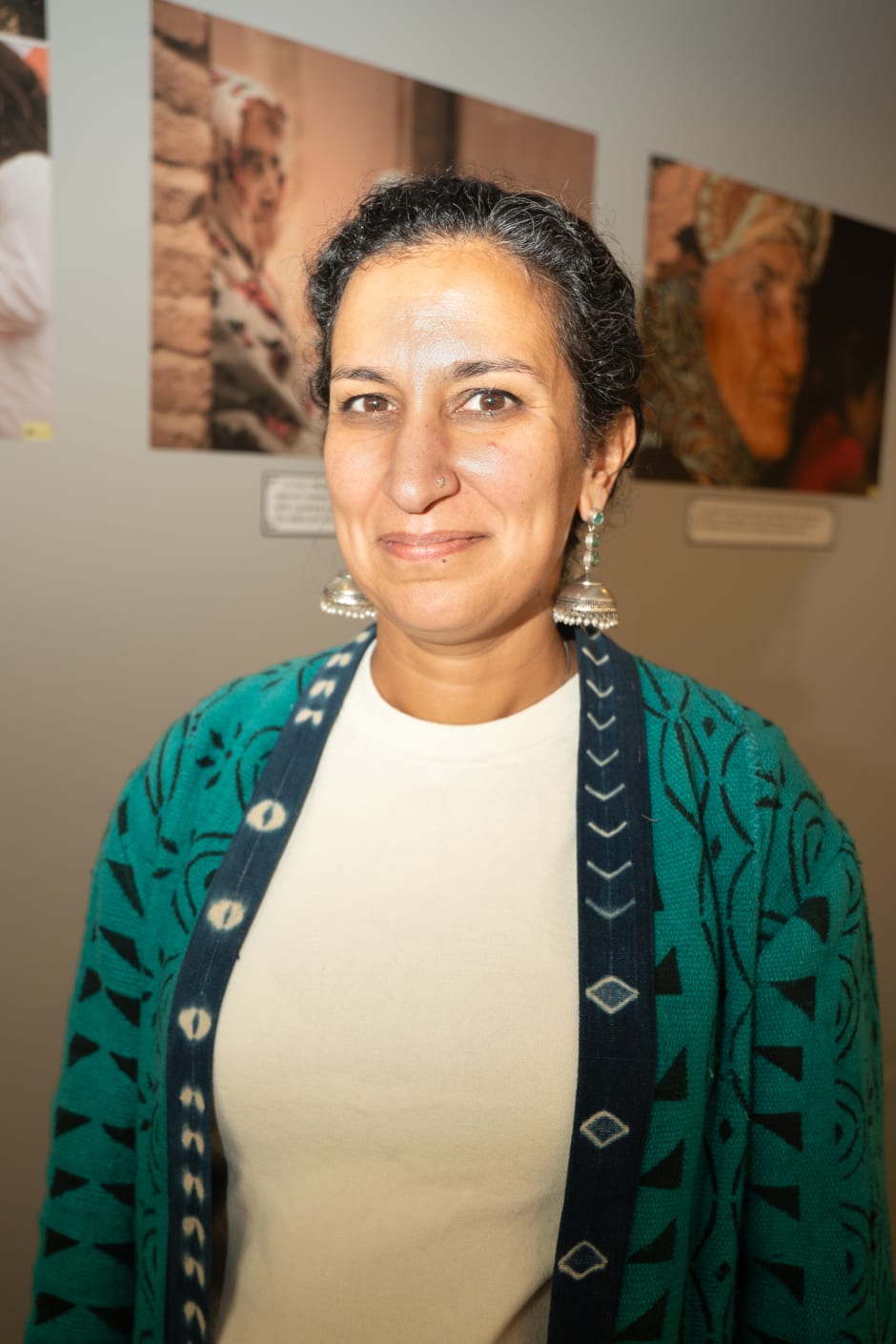
Kiran Grewal (48) dreamt of justice for all and, as a child, wanted to become a distinguished lawyer. She was disappointed by the commercial and human rights legal sectors. She is now a professor of Political Sociology at the University of Amsterdam, but it is in a small community in Sri Lanka that she feels her life is truly meaningful.
What was your childhood dream?
“My favourite TV series was Beauty and the Beast. It tells the story of a district attorney who teams up with a “beast” from the sewers to bring justice to the people of New York. So I wanted to become a lawyer; it seemed so glamorous.”
“I remember telling my teacher that; I was eight or nine at the time. “You’ve managed to express the gift of the gab well and convincingly, so I can imagine you’d be good at it,” she said.”
In When I Grow Up, Folia talks to UvA academics from all walks of life about their careers, memorable moments in their professional lives and what they wanted to be when they were younger. Did their childhood dreams come true, or is it perhaps better that they ended up doing something else?
You went on to study law. Did that dream come true back then?
“My career began as a lawyer. But after I graduated, I ended up at one of the big, prestigious law firms in Sydney. For many people, that was a dream come true. I wanted to do something related to social justice and felt alienated in the corporate world, where it was all about making more money and protecting the rich.”
What changed then?
“I didn’t just study law, but also French and international studies. I enjoyed law, but it could be very repetitive work at times and I missed an exchange of ideas. My old French teacher then said: “Why don’t you do a PhD?””
“Every time I wrote a paper for my PhD, which was in the field of cultural studies, people would say: “Oh, you’re that lawyer. You’re not open to ideas or discussion.” I struggled with the identity I was supposed to have, because I was passionate about both law and cultural studies.”
“In the second year of my PhD, I went to France. That’s when I really broke away from commercial law. But once I was there, an internship opportunity at Amnesty London came my way, in the legal department. Well, that’s a dream, I thought. That was my chance to pursue the career in international human rights that I’d always wanted.”
Was that the case: yet another dream come true?
“It was absolutely brilliant. But it was a temporary contract, and to take it further, I needed to gain more practical experience. I was naïve and perhaps a bit arrogant. I genuinely thought: I’m going to save everyone in the world who is suffering. So I took a job in Sierra Leone. I knew nothing about the country, only that they had pygmy hippos there – my favourite animals.”
“That’s where the illusions I had about what I could achieve through the law came crashing down. I felt there was an unbridgeable gap between the legal debates taking place and what people actually needed. I returned to Sydney and picked up my PhD again. That’s how I ended up in academia.”
You wanted to make the world a better place. Were you able to live up to that?
“In Sri Lanka, I feel I can really make a difference. I ended up there when I began researching how we can use the social sciences to understand which factors create the conditions that make torture possible. I lived there, conducted research there, and still return every year. In eastern Sri Lanka, there’s a community college that a few friends and I would very much like to transform into a sort of open learning space, where anyone who wants to can access the kind of education offered at elite universities. There, I feel that whilst I might not have been able to solve all the world’s problems, I can do something within that small framework and see if I can improve opportunities for young people there.”
“I didn’t want to spend my whole life criticising the human rights advocacy movement. I did that when I started teaching a course on the subject. My poor students were still very enthusiastic about the field, but I told them stories abouts about how I’d lost my illusions.”
Kiran Grewal (1978) was born in Abu Dhabi. She lived in England during her childhood, but at the age of fourteen she moved to Sydney with her family. After completing her law degree, she went on to work at a large law firm in the same city. However, the academic world soon rekindled her interest, and so she went on to complete a PhD – not in law, but in cultural studies. Following a career in human rights, she now focuses her activism on smaller communities. Last January, she took up a post as Professor of Political Sociology at the University of Amsterdam (UvA) and lives in Diemen with her eleven-year-old daughter.
How did you end up at the UvA?
“After I’d published a book, I was asked to teach at Goldsmiths, an arts university in London. I remember dancing around in my living room when I heard the news. It was yet another dream come true. But: be careful what you wish for. For the most part, it was brilliant, but there was also a lot of uncertainty and stress. The university was constantly struggling financially and faced political challenges. Many people lost their jobs because they spoke out as activists.”
“Then I came across this post as a professor of political sociology at the University of Amsterdam. It sounded like an interesting opportunity, especially as there are few positions of this kind available. Sometimes I still walk through Amsterdam and think: do I really live here? Somehow I’ve ended up in the right place and found myself here. What I love about my work as an academic is that there’s always something new to learn. You’re allowed to stay curious.”
What are your dreams for the future now?
“Now that I’m older, my dreams are more realistic. So instead of being Secretary-General of the UN and saving the world from there, I now organise a small summer course programme in Sri Lanka every year for people interested in social justice and social change. My dream is to spend my days in my favourite little town in the east of Sri Lanka. That’s my retirement plan.”