From Accra to Amsterdam: African UvA-PhD candidates build bridges between continents

Over the next few years, 51 PhD candidates will conduct research into climate change, affordable healthcare and clean drinking water in Africa. The GROW research program aims to narrow the gap between the Netherlands and Africa. Four questions to Patrick Arhin from Ghana and Armstrong Mudzengerere from Zimbabwe, who are doing their PhD’s at the UvA.
Why is it important for African scholars to lead research on issues affecting Africa?
Arhin: “Africa faces enormous challenges, such as climate change, displaced communities and clean drinking water. African scholars should not only be invited to global discussions, but they should be the leading figures. The Global South suffers the most from greenhouse gases produced in the Global North. Policy makers often lack knowledge about the situation in Africa. Cooperation with African scientists leads to understanding of what the problem really is.”
Climate change, the energy transition and nature conservation are just some of the themes that 51 PhD candidates will be studying in the coming years as part of the Graduate Research on Worldwide Challenges (GROW) program, in line with the UN's Sustainable Development Goals. In collaboration with 22 African universities, seventeen civil society organizations and five Dutch universities, including the University of Amsterdam, this project would not only make a scientific contribution, but also provide practical solutions for and with the African continent.
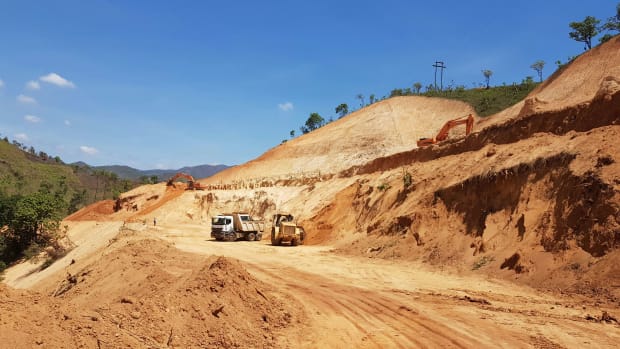
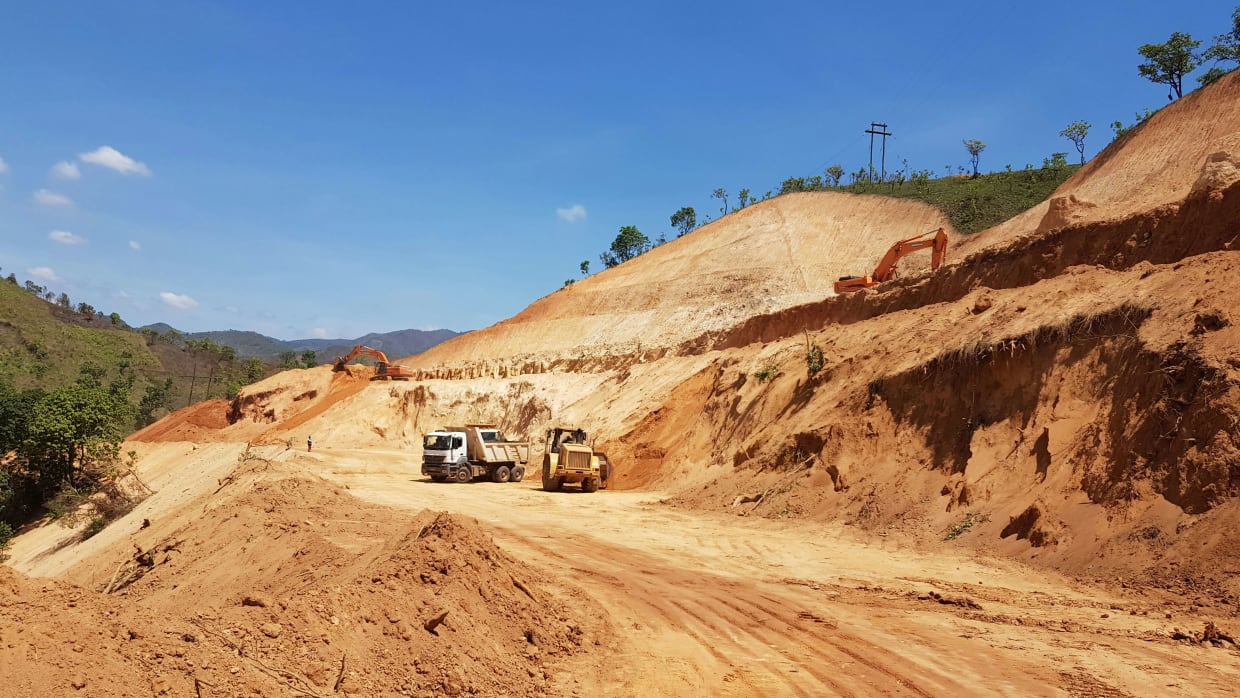
Arhin: “African scientists understand the local communities and government structure. In some rural communities, customs demand that, before you enter the community and engage in any activity as a foreigner you must seek the permission of the chief. The perspective between scientists also differs: a Western researcher that does not know African context might see a child working in the fields on weekends as child labor, while in Africa this is perceived differently. By working together on real problems, such as forced relocation due to mining, we can find more targeted solutions.”
Why are African PhD students appointed in the Netherlands to conduct research into challenges in Africa
Arhin: “The Netherlands is known for its academic institutes and research. Besides, in Amsterdam there are more facilities and finances for our research. We also bring a better understanding of African problems to the Netherlands. The mutual exchange process is a win-win situation.”
What can we in the Netherlands learn from Africa and vice versa?
Mudzengerere: “In Africa, the relationship between people and nature is deeply rooted in the philosophy of Ubuntu, which emphasizes interconnectedness, respect, and harmony within the broader earthly community. This perspective fosters a sense of responsibility toward natural resources, where trees, rivers, and land are not just commodities but integral parts of a shared existence that must be nurtured and preserved for future generations. This perspective can help global development policies to reflect on the use of natural resources.”
Arhin: “I grew up in a rural community in Ghana and we noticed how our water sources used to be cleaner, but now we can’t even drink it. This is strange in an era in which we have a lot of scientific knowledge, but our environment continues to deteriorate. Fishing in specific rivers was considered taboo, and there were designated days when visiting these rivers was forbidden according to this indigenous knowledge. These cultural practices played a vital role in preserving our environment and maintaining ecological balance.”
Mudzengerere: “We need to talk about how indigenous knowledge should be integrated into policymaking to promote social justice. In Zimbabwe, we have ‘indaba’, which are traditional gatherings for dialogue and consensus-building and could be used for inclusive decision-making with the local communities. Foreign companies in Africa might adopt indaba to improve community engagement, ensuring that local voices shape practices.”
Arhin: “I see that in the Netherlands students have a closer relationship with their professors; in the Netherlands there is hardly any hierarchy between the two. In Africa this gap sometimes exists where there is a huge gap between students and professors. In the Netherlands I see the opposite and I hope to adopt this practice when I become a professor.”
What will your PhD in Amsterdam do for Africa?
Arhin: “This project is about collaborating with local organizations in Ghana, not just publishing articles. I am researching the distribution of power and negotiations between lithium mining companies and the local population affected by mining in Ghana. My findings will strengthen local organizations.”
Mudzengerere: “In this project I examine the political economy of foreign lithium mining investments in Zimbabwe to improve social justice. We need to bring Global South perspectives in the green transition. Therefore, the decolonization of knowledge systems is very important;currently these are dominated by power structures in the Global North. We are achieving this through the three I’s of the GROW program: interdisciplinary, intersectoral and international approaches. The program enables the symbiosis of scientific and local knowledge and amplifies the voices of local communities.”
Arhin: “The GROW program aims to work with local organizations that specialize in making a local impact. These organizations will incorporate my findings into their work. We always do our best to make our research as practical as possible and not just focus on publishing articles.”