Over 7 million euros for the future of the Dutch countryside
From bone-dry summers caused by climate change to farmers’ protests, the pressure on the Dutch landscape is mounting. However, due to the often conflicting interests of farmers and nature conservationists, little is changing in practice. With funding from the National Science Agenda, the RESOLVE consortium – which includes researchers from the University of Amsterdam – aims to break this deadlock.
Climate change and intensive land use are placing the Dutch landscape under ever-increasing pressure. The same patch of land must provide food, retain water for the increasingly dry summers and offer space for nature to recover. Farmers, water managers and nature conservationists often find themselves at loggerheads in this struggle.
The RESOLVE consortium, led by the Netherlands Institute of Ecology (NIOO), aims to change this by bringing all stakeholders together around the table. Recently, NWO, via the National Science Agenda (NWA), awarded 7.45 million euros in funding to the project, enabling researchers, civil society organisations, policymakers and members of the public to get to work over the next six years.

Stamp-sized area
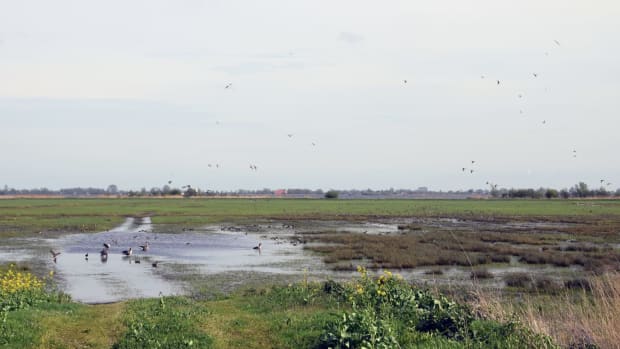
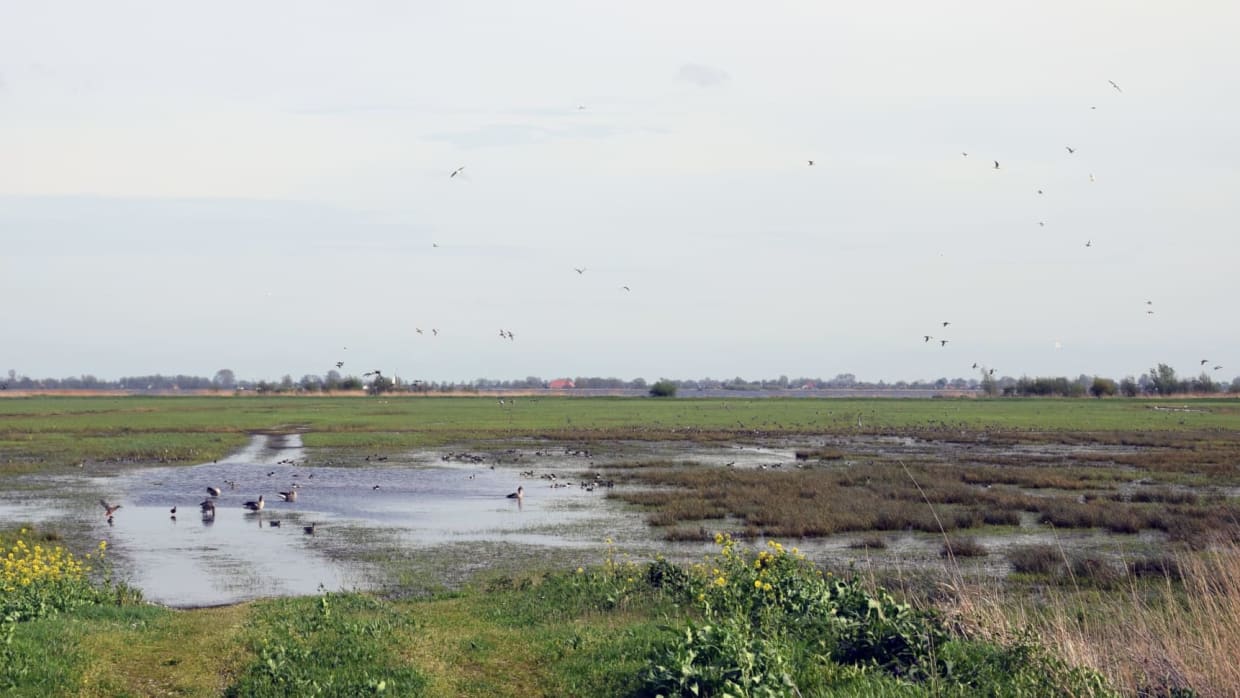
Ecologists have been warning for decades that water quality and biodiversity in the Netherlands are in a poor state. Yet it is difficult to do anything about it. “In the Netherlands, we have a lot of people crammed into a stamp-sized area,” explains Milo de Baat, a lecturer in water quality and ecotoxicology, who is part of RESOLVE through the Institute for Biodiversity and Ecosystem Dynamics. “We often have a mixed landscape, with different user objectives. Nature is one of those objectives, but it is often compromised by other objectives such as agriculture.”
Together with Arie Vonk, a senior lecturer in benthic ecology, De Baat will supervise a PhD student who will investigate which factors influence biodiversity in such a mixed landscape. Senior lecturer Elisabeth Krueger will supervise a postdoctoral researcher during the second phase of the project, which focuses on developing future scenarios in collaboration with the stakeholders involved.
Partners from the field
The project goes beyond simply developing knowledge and technology. “The strength of an NWA consortium like this is that it involves many partners from the field,” says De Baat. “We work together with them to ensure the research is actually translated into practical applications for society.”
In practice, however, it is difficult to reconcile the various interests and objectives, says aquatic ecologist Lisette De Senerpont Domis of the NIOO, coordinator of RESOLVE, in the press release. “We have a wealth of knowledge and solutions. But it also requires changes in the way we link and organise agriculture, water management and nature.”