
UvA study: turning off notifications does not help reduce excessive screen use
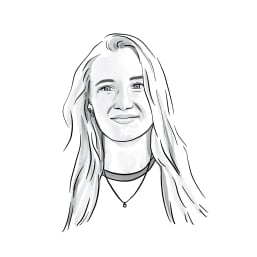
Everyone wants to spend less time scrolling. But common solutions such as screen-time limits and turning off notifications do little to reduce our phone use, according to research from the UvA. PhD candidate Cynthia Dekker investigated what it actually takes to gain control over our collective smartphone use.

We all spend too much time on our phones. And we want to change that, right? But time limits are easily dismissed, and most people also don’t bother downloading an external app to regulate their phone use.
“Screen time is not the problem; there is nothing inherently wrong with it,” says UvA researcher Cynthia Dekker. “What matters is whether someone personally feels they use their phone too much.” The behavioral scientist studied how “digital design choices influence excessive smartphone use and digital well-being.” She received her PhD this week.
Many people experience their phone use as problematic because it negatively affects their daily lives, Dekker explains. “They get distracted, go to bed too late, or experience feelings of stress, for example.”
Do you feel like you spend too much time on your phone and want to do something about it? Time limits or turning off notifications do not help, UvA researcher Cynthia Dekker discovered. “Screen time does not change because of them, and people also do not feel less excessive in their use,” says Dekker. “People experienced more FOMO (fear of missing out, ed.) and checked their phones just as often.”
Personal algorithm
What did help was turning off the personal algorithm on TikTok. As a result, participants were no longer shown only videos that matched their interests, but could come across all sorts of content. “Screen time was almost halved as a result,” says Dekker. She calls it “promising”, but it turned out to be a step too far. Ninety per cent of participants wanted to return to their old feed quickly. After all, the personalised algorithm is precisely what makes the app so appealing. “It’s now a trade-off for users. Do they want control or enjoyment?” says Dekker.
“It’s now all or nothing. But the solution isn’t one-size-fits-all,” explains Dekker. She believes the personalisation options need to be expanded. For instance, a personal algorithm shouldn’t just be “on or off”; she argues that it should also be possible to set a time limit on it. Dekker: “What someone needs is very personal; with a variety of settings, you can help more people.”
Strategies
At present, the strategies are still too disconnected from the (social media) apps. According to Dekker, the responsibility for offering different settings to personalise the app should lie more with the apps themselves. “Legislation can enforce that; there is still much to be gained there.”
The default settings should also be “more user-friendly” by “encouraging less overuse.” “There is currently no natural point to stop scrolling,” says Dekker. “So you can carry on endlessly.”
But ultimately, it is also up to the user to make the choices. “That is why education is important,” emphasises Dekker. “We need to start developing healthy usage habits.”
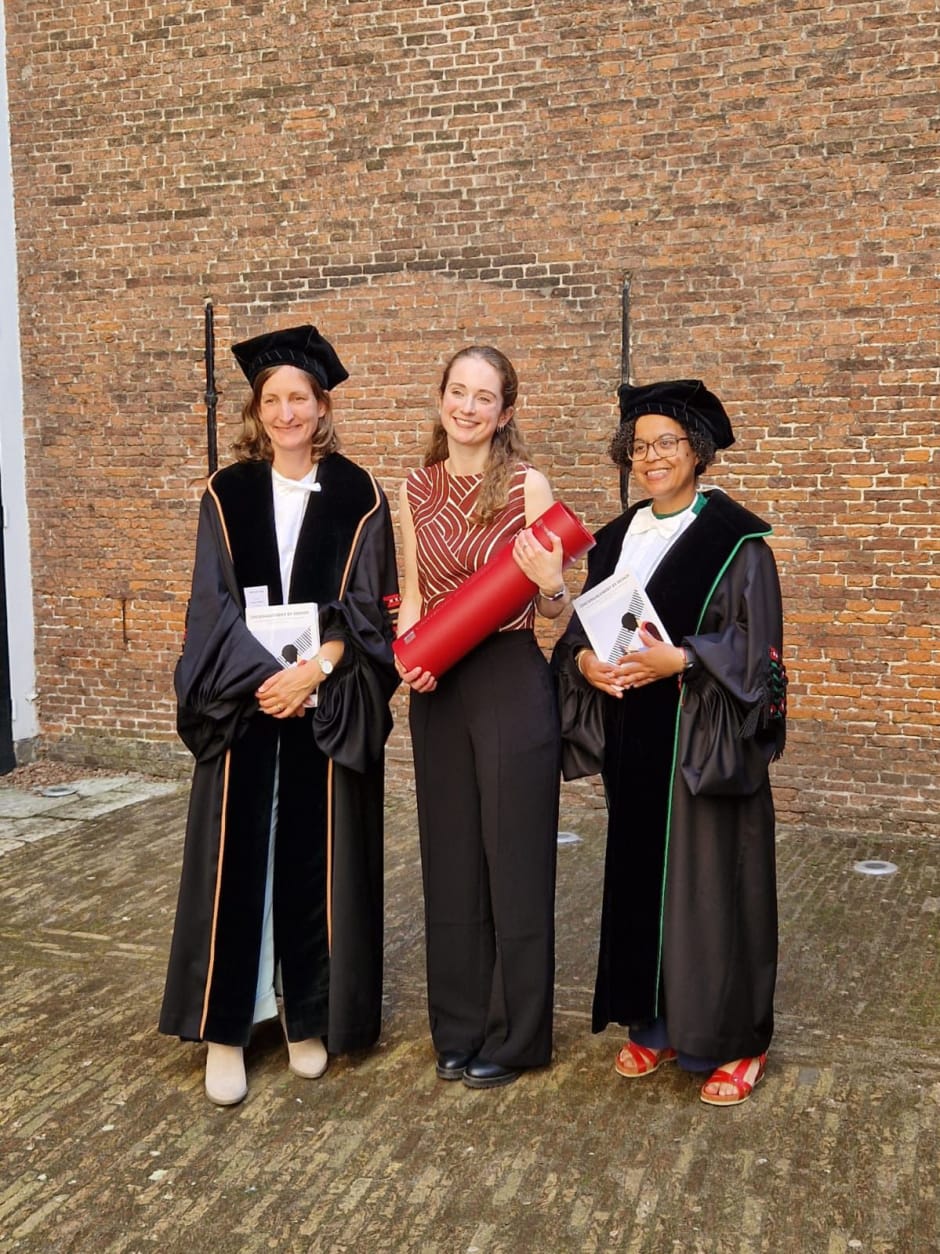
Cynthia Dekker was awarded her PhD on Tuesday 26 May for her thesis entitled “(Dis)Engagement by Design. How Digital Design Choices Impact Smartphone Overuse and Digital Well-Being.”