An unexpected pregnancy isn’t the problem – lack of access to abortion is
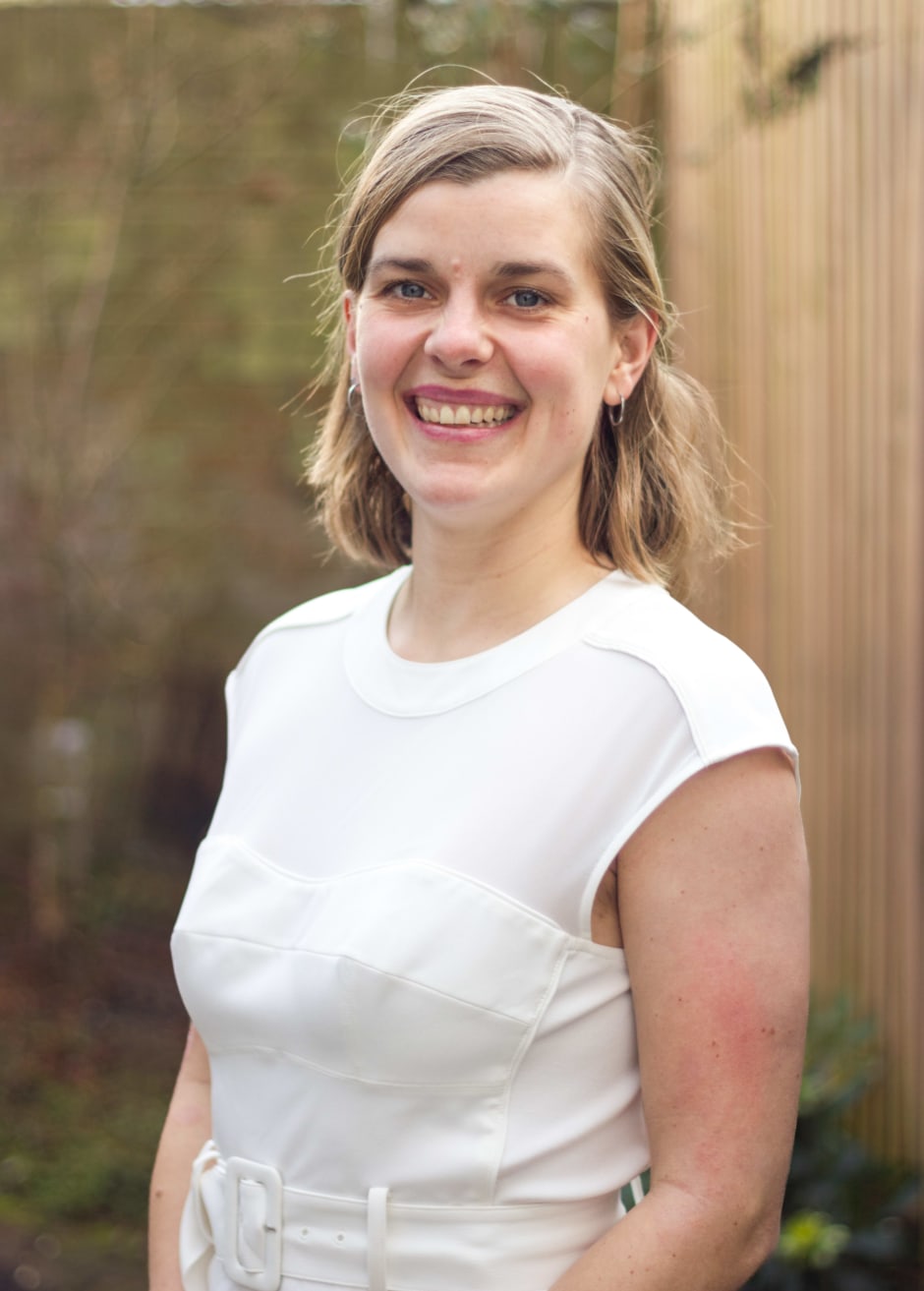
It was long thought that an unexpected pregnancy would leave deep psychological scars, whether you choose to have an abortion or not. UvA PhD candidate Wieke Beumer proves that as long as abortioncare is available, there no psychological problems arise. “It is important that you are able to make the choice for abortion yourself.”
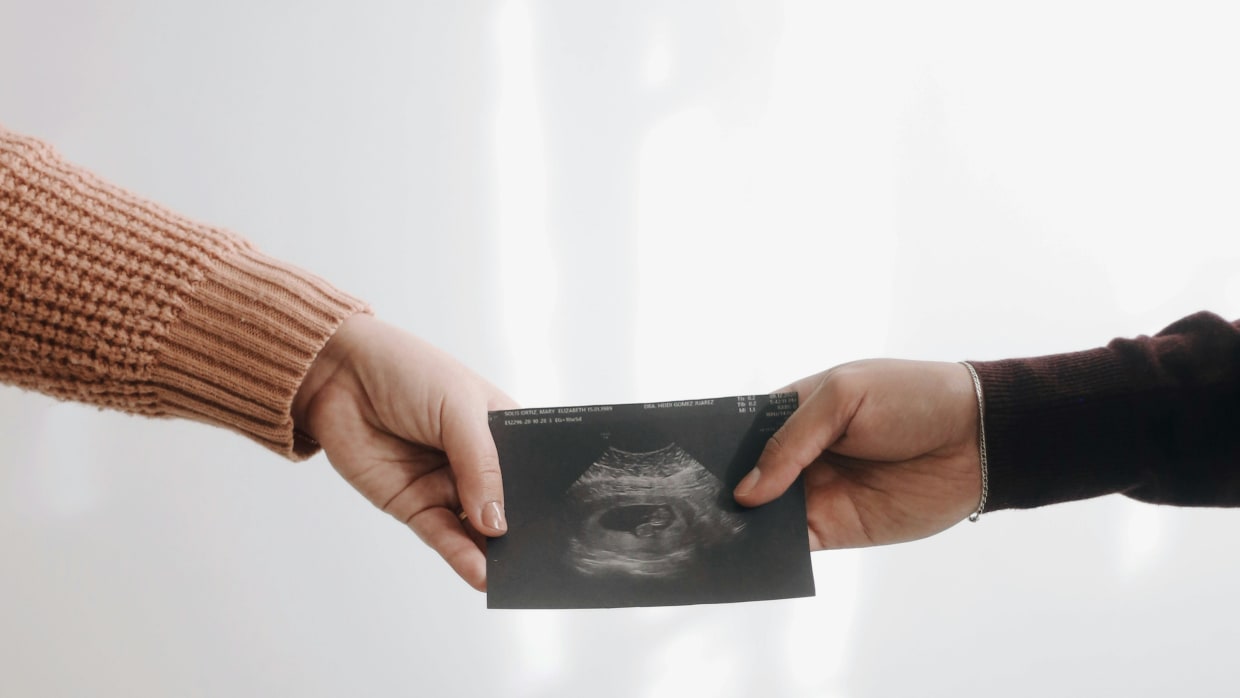
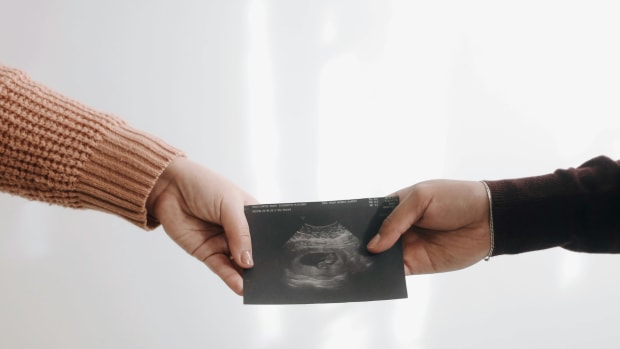
An unexpected pregnancy can be a life-changing event for a woman. Does she choose to bring a child into the world, or does she opt for abortion? Wieke Beumer investigated the long-term mental consequences of an unexpected pregnancy in both cases. And they are different from what you might expect: as long as the woman is free to make her own choice, regardless of whether or not it involves an abortion, those consequences do not exist.
“It is often automatically assumed that anyone who has an abortion will suffer mental health problems as a result,” says Beumer. But this is not the case, her research confirms. “Any mental health issues have nothing to do with the unintended pregnancy itself, but with the extent to which women receive support from those around them,’ explains Beumer. “It is particularly important that a woman can make their own choice without judgement, whatever that choice may be.”
“In the Netherlands, abortion care is accessible and can be performed relatively late in the pregnancy, namely up to twenty-four weeks,” says Beumer. Women are informed about their options and any abortion is carried out with due care. But according to Beumer, abortion care is viewed as a separate issue and is still listed in the Criminal Code. “This says something about social norms. Abortion is therefore not seen as healthcare,” says Beumer.
Freedom of choice
According to Beumer, why someone chooses to have an abortion depends on the situation and the context. Both reason and emotion can be part of the decision for women. “They might say, for example: “I felt it was meant to be,”” explains Beumer. But the woman’s social and financial situation can also influence the decision. She argues that the choice is never right or wrong, as long as it is genuinely made by the woman in question.
That freedom of choice is essential. Beumer draws a comparison with the Turnaway study in America, where women were forced to carry unwanted pregnancies to term. “The women who wanted an abortion but were unable to obtain one experienced more symptoms of depression and anxiety.” In her research into Dutch women, Beumer therefore found no long-term psychological symptoms resulting from an unexpected pregnancy. “By making the choice that best suits them at that moment, women are more resilient and better able to cope.”
Taboo
According to Beumer, an unexpected pregnancy is often still seen as something that should have been prevented, as an irresponsible decision. She sees this clearly reflected in her PhD research: “There is still a great deal of stigma surrounding an unintended pregnancy. Women often feel ashamed and believe they have done something wrong.”
“In the Netherlands, we do a lot to prevent such pregnancies, for example by actively promoting the use of contraception,” explains Beumer. However, data from the Rutgers Centre of Expertise on Sexuality shows that in 2024, six out of ten women who became pregnant unintentionally were also using contraception. This is also evident from Breumer’s research. “When it does happen, society tends to point the finger at the woman,” says Beumer.
The topic of abortion is often associated with “the image of teenage girls becoming pregnant unintentionally.’ That is not accurate, says Beumer. “It is much more often the case with older women who already have children.” This is confirmed by the 2024 annual report of the “Inspectie Gezondheidszorg en Jeugd”. Most women who have an abortion fall into the 30–34 age group. In almost half of the cases (48 per cent), the woman already had a child.
Limited thinking
Social misconceptions exist not only about who faces an unexpected pregnancy – which, in principle, could be any woman – but also, according to Beumer, about how a woman is supposed to feel. “If you choose to carry the pregnancy to term, it is immediately assumed that you are on cloud nine and happy. But that doesn’t have to be the case at all. That cloud nine is really an illusion. We need to normalise the fact that you can feel a whole range of emotions at once and move away from pigeonholing people.”
We need to change the system, Beumer believes. “At present, as a society, we tend to draw a distinction between right and wrong reasons. We need to change the social norms that stand in the way. The most important thing is that people are able to make their own choices.”
Wieke Beumer will defend her PhD thesis on Thursday 19 March, entitled: “Reproductive Realities. Understanding People’s Diverse Trajectories Through and Beyond Unintended Pregnancy.” The defence will take place from 4.00 pm to 5.30 pm in the Agnietenkapel.