“The Public Prosecutor conducts unnecessary investigations into the use of force by the military”
The Dutch armed forces are preparing for a large-scale war. But when it comes to the use of force by the military, the legal system is still too cumbersome, concludes researcher Bas van Hoek. “When people are dropping like flies, you have to ask yourself whether you really need to investigate everything.”
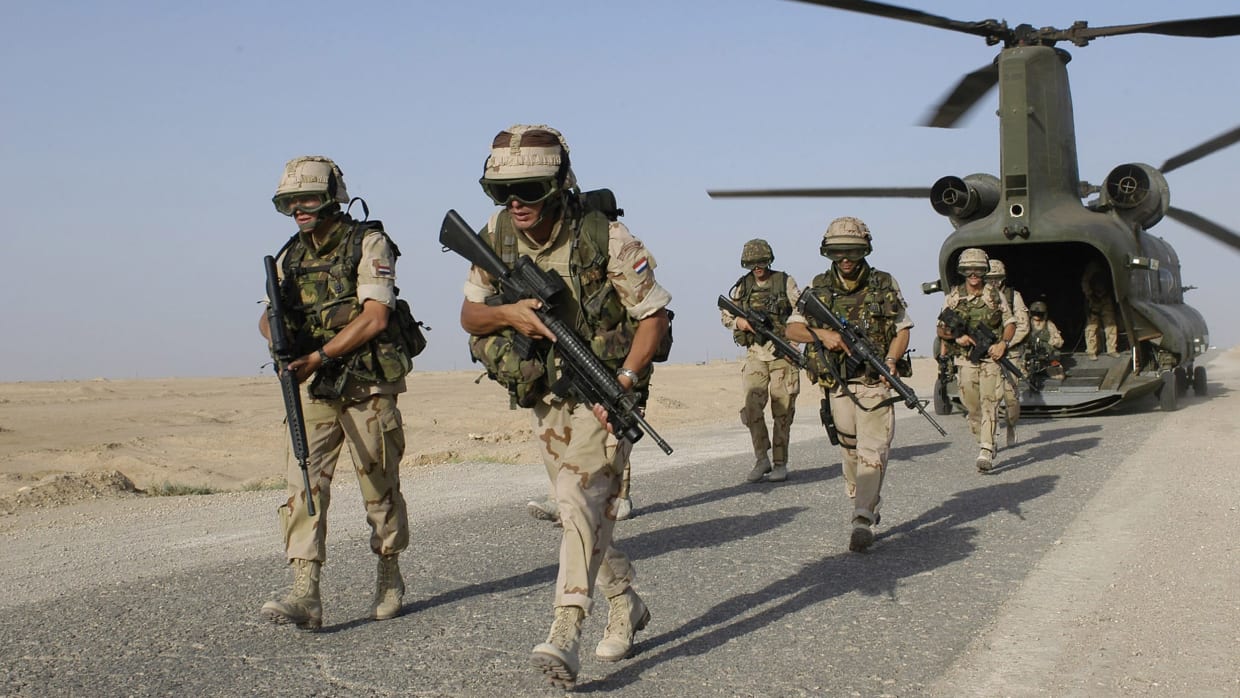
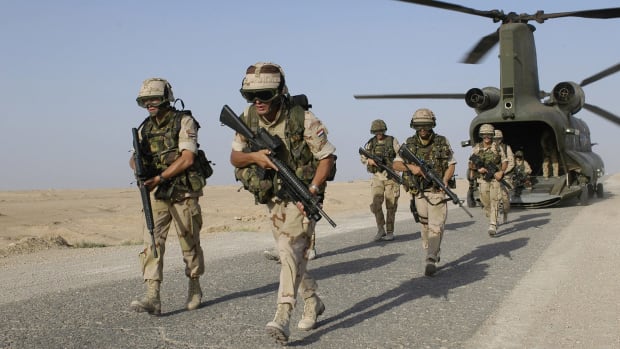
Imagine you are on a mission and leading soldiers through a war zone. A group of unknown individuals approaches and you fire a warning shot at the ground. The bullet hits a stone, ricochets and shoots towards the approaching people. A civilian is hit and dies. A criminal case is brought and you are the suspect, charged with murder. This is what happened to Dutch marine Eric O. in 2004.
In 2004, the trial against O. caused unrest within the military. “It caused quite a stir, because the Public Prosecution Service (OM) was quick to use the words murder and manslaughter,” explains Bas van Hoek, PhD candidate at the University of Amsterdam and legal advisor to the military. He researched the system used by the Dutch state to supervise the use of force by the military. “You shouldn’t say that to soldiers who are sent somewhere with a weapon and assume that they will need it at some point.”
“The military then asked the Public Prosecution Service to treat them the same as police officers,” says Van Hoek. “As witnesses rather than suspects. All military personnel understand that they must be accountable. But if they are treated as suspects, it creates an uneasy feeling.”
Criminal offences
The Public Prosecution Service, which previously only took action in cases of suspected criminal offences, has taken on a supervisory role since the O. case. Since 2004, whenever the someone in the military uses force, the commander must always record this in a so-called “after action report”, explains Van Hoek. Regardless of whether the use of force is lawful or whether there is suspicion of a criminal offence, this document is not only forwarded up the hierarchical ladder of the military. It is simultaneously sent to the military police and the Public Prosecution Service, which decide independently whether to conduct an investigation.
Currently the Public Prosecution Service always conducts a fact-finding investigation in the event of civilian casualties, even if these were anticipated in advance, Van Hoek explains. He argues that this is unnecessary and unfeasible. “In a large-scale armed conflict, civilian casualties are inevitable. Only if we did not expect them at all are we obliged under the laws of war to investigate them.“
Depending on the situation, either universal human rights or humanitarian war law applies. “Human rights dictate that you do not use violence unless necessary. You cannot just draw your weapon,” explains Van Hoek. According to Van Hoek, as a soldier, you cannot always assume this will be the case. “When you are in combat and you are attacked, you will use your weapon and you have to do it damn well.” Humanitarian war law does assume the use of force. “The starting point is fighting, because that is what you do in war.”
Violence regulations
Van Hoek believes that the Public Prosecution Service's supervision is effective. However, he believes that the active role of the agency when “there is no suspicion of wrongdoing” should be reconsidered.
Won't the military be given too much leeway if the Public Prosecution Service takes a step back? Van Hoek does not think so. For each mission, separate service regulations are drawn up, setting out the agreements on the use of force and the powers at different levels. “If people are endangered or killed as a result of a violation of the service regulations, that is always a criminal offence,” Van Hoek explains. “Commanders have a duty to report if they suspect that a criminal offence has been committed.”
Van Hoek believes that it is particularly urgent now to take a critical look at the supervisory regime on the use of force. “A large-scale war is a realistic possibility in this day and age. As a defence organisation, we are preparing for this. If you are in a conflict where there is fighting every day, bombs are being dropped and people are dropping like flies, you have to ask yourself whether you are obliged to investigate everything.”
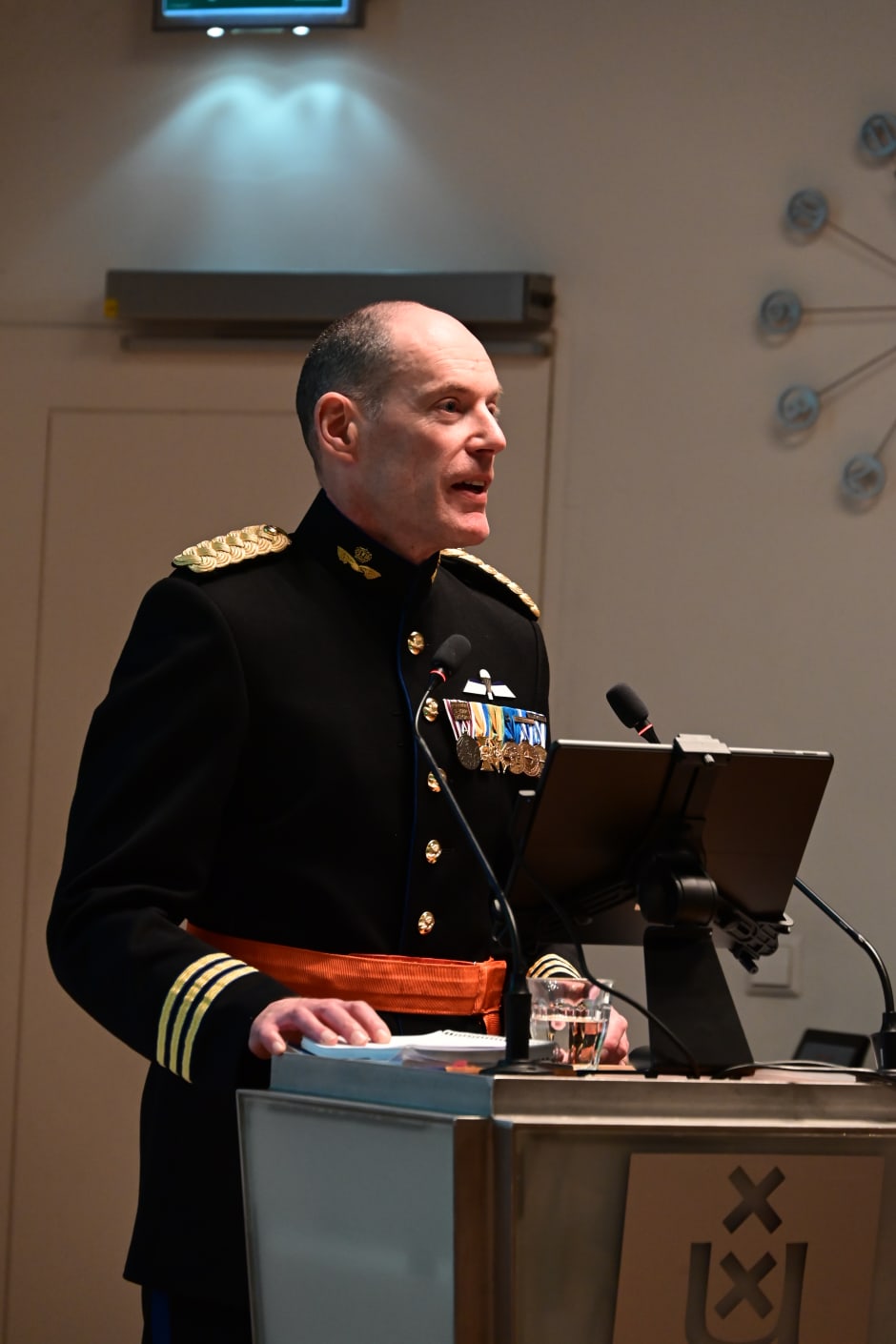
Bas van Hoek is a military lawyer with the Royal Netherlands Air Force and a lecturer in military criminal and disciplinary law at the UvA. He obtained his doctorate on 17 February with the thesis It takes two to tango. A legal analysis of the dual oversight regime governing the use of force by the Netherlands Armed Forces.