UvA PhD candidate dispels the notion of “temporary” migrant workers

EU migrant workers stay in the Netherlands much longer than we think, according to UvA external PhD candidate Dolly Loomans, who conducted her research at the Netherlands Environmental Assessment Agency. A large group of them end up in substandard housing, with long-term consequences.
Dolly, what is wrong with the image of “the migrant worker”?
“In the media, but also among policymakers and employers, the prevailing image is often that migrant workers are seasonal workers. Low-skilled Poles, Bulgarians and Romanians who come to the Netherlands to work temporarily in agriculture and live in precarious housing situations. When it comes to solutions, the focus is often on something temporary. But there is also a group that stays in the Netherlands for years and sometimes ultimately for their entire lives.”
How large is the group of migrant workers who remain in the Netherlands?
“About half of the EU migrant workers in my study are still here after six years. That does not mean that half of all migrant workers stay for at least six years, because not all migrant workers are registered and therefore visible in the data.”
“It is also important to note that I did not distinguish between ‘highly’ and ‘lowly’ educated migrant workers, but included all EU citizens who came to the Netherlands for work between 2011 and 2014. Some migrant workers in agriculture, for example, have also completed a university degree and sometimes go on to do other work later on. That’s why it felt wrong to make that distinction in advance.”
Previously, research focused mainly on the housing situation of migrant workers shortly after their arrival. You followed the migrant workers for several years. What did you discover?
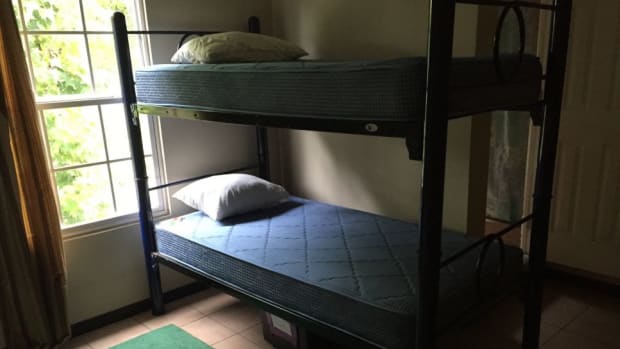
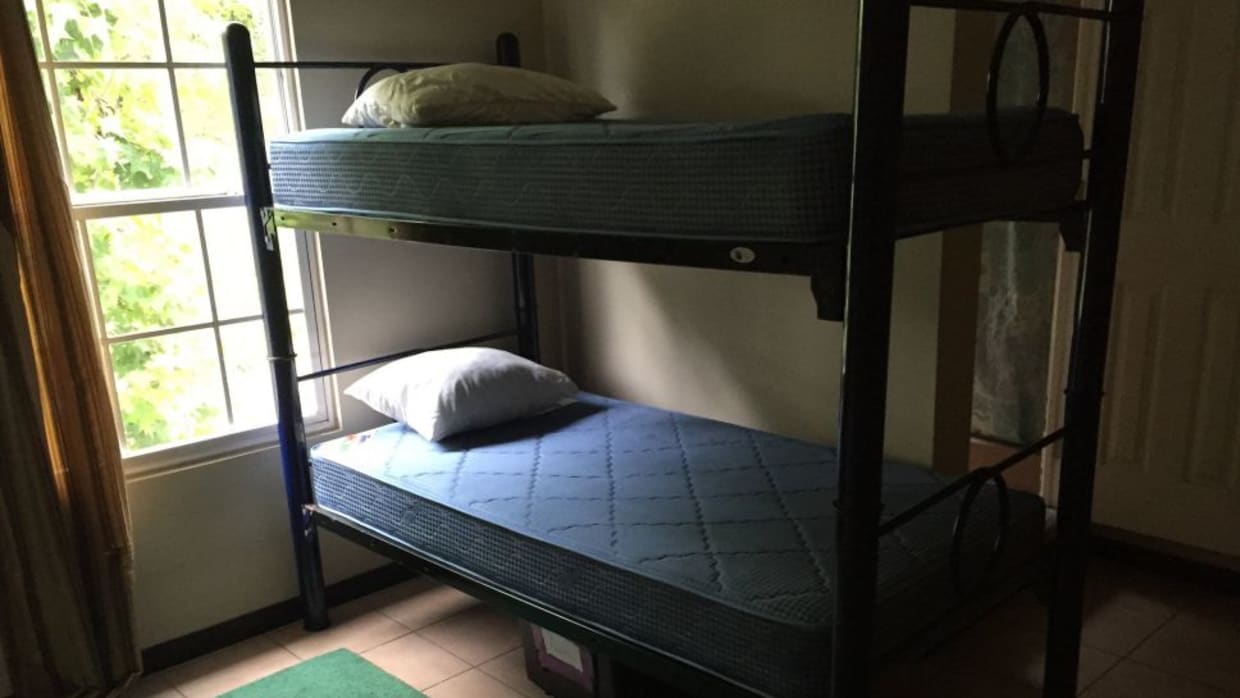
“I was shocked to discover that a large group of people live in uncertain, unsafe, overly expensive and unhealthy housing conditions for several years. There is minimal progress: sometimes, after a while, they are allowed to choose their roommate or their own room, but the housing conditions remain very precarious.”
“I spoke to people who had developed a distorted view because their living conditions were so intense in the beginning – small shared spaces and experiences with unsafe situations – that they were happy with a room with a quieter housemate. Even when their living situation improved, it still left lasting damage. An uncertain living situation has a major impact on big life decisions. Such as having children, moving house and being forced to continue living with your ex.”
“And then there is also a group that finds its way perfectly well after a few years in the Netherlands. They even buy a house or find social housing for a longer period of time.”
What factors determine whether a migrant worker finds a home?
“Learning Dutch helps you become less dependent on your employer. Poor housing situations are often attributed to employment agencies, but structural problems in the housing market itself also contribute to housing insecurity. In addition, having a partner – especially a Dutch one – appears to be an important predictor for finding a home. But ultimately, getting a permanent contract and a higher salary is crucial to improving your position in the housing market.”
What needs to be done to improve the housing situation for migrant workers?
“It is important that local authorities realise that some migrant workers will eventually move into the housing market. Temporary solutions, such as a container on the outskirts of the municipality, do not help this group and make it more difficult for migrant workers to participate in society in other ways besides their work. To find solutions, you need to make the entire housing market and the entire labour market less uncertain.”
Dolly Loomans will defend her PhD thesis entitled “Navigating Housing Beyond Arrival. The Trajectories of EU Labour Migrants in the Netherlands” on 11 February at 1 p.m. The defence will take place in the Agnietenkapel.