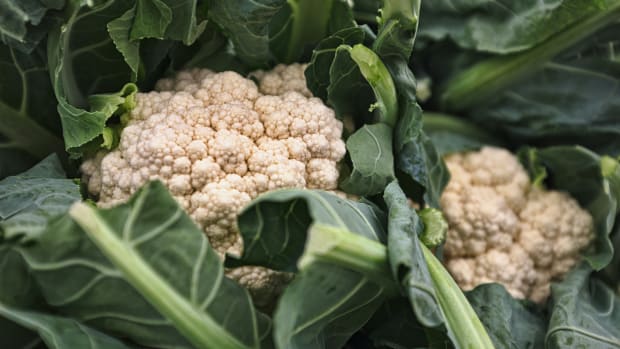
Expensive cauliflower? That’s because Spain is becoming more and more a desert

Although the Spanish sol makes the country attractive to vacationers, the hot sun is also the cause of rising cauliflower prices in the Netherlands. For over thirty years, Erik Cammeraat has been conducting research at the UvA into the culprit behind the more expensive cauliflower: desertification.
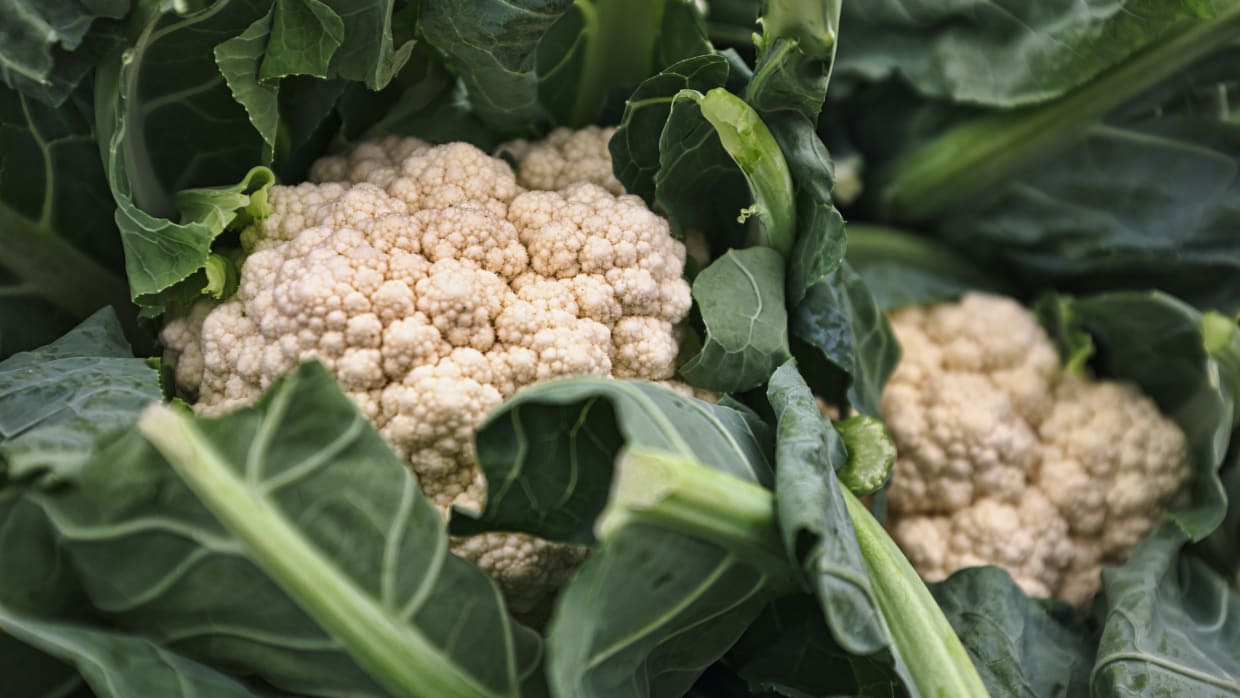
Do you like eating cauliflower? There is a good chance that the cauliflower comes from Spain. At least, that was always the case. But nowadays, Spaniards are increasingly finding Dutch cauliflower on their plates. The cause? The so-called ‘desertification’ of the Spanish countryside.
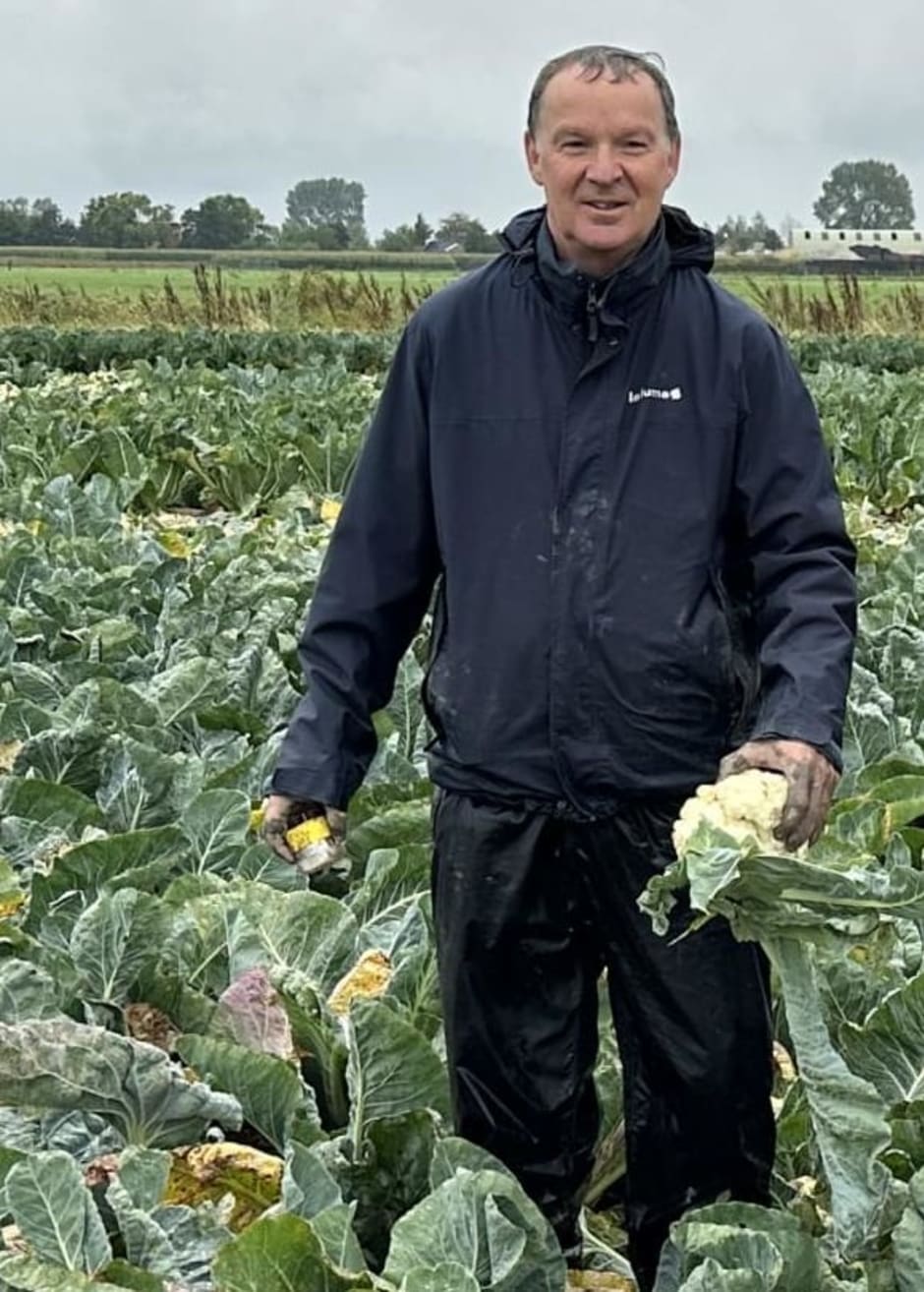
Southeast Spain is being hit by extreme drought. This is causing the quality of the land to deteriorate and yields to decrease. And that in turn means cauliflower is becoming more expensive in the Netherlands.
Associate professor Eric Cammeraat has been researching the ‘desertification’ of southeast Spain for thirty years. He officially retired two weeks ago, although he is continuing his research.
“Desertification is partly caused by the pumping of water. Because more and more water is being pumped, fresh water is becoming scarcer and farmers have to switch to more expensive, desalinated seawater,” says Cammeraat. “Longer dry and hot periods are also shortening the growing season in Spain. This will cause the prices of our vegetables in the supermarket to rise even more. So, we in the Netherlands do not have to worry about desertification in our own country, but we will have to deal with the indirect effects of desertification in Spain.”
Hundreds of years lost
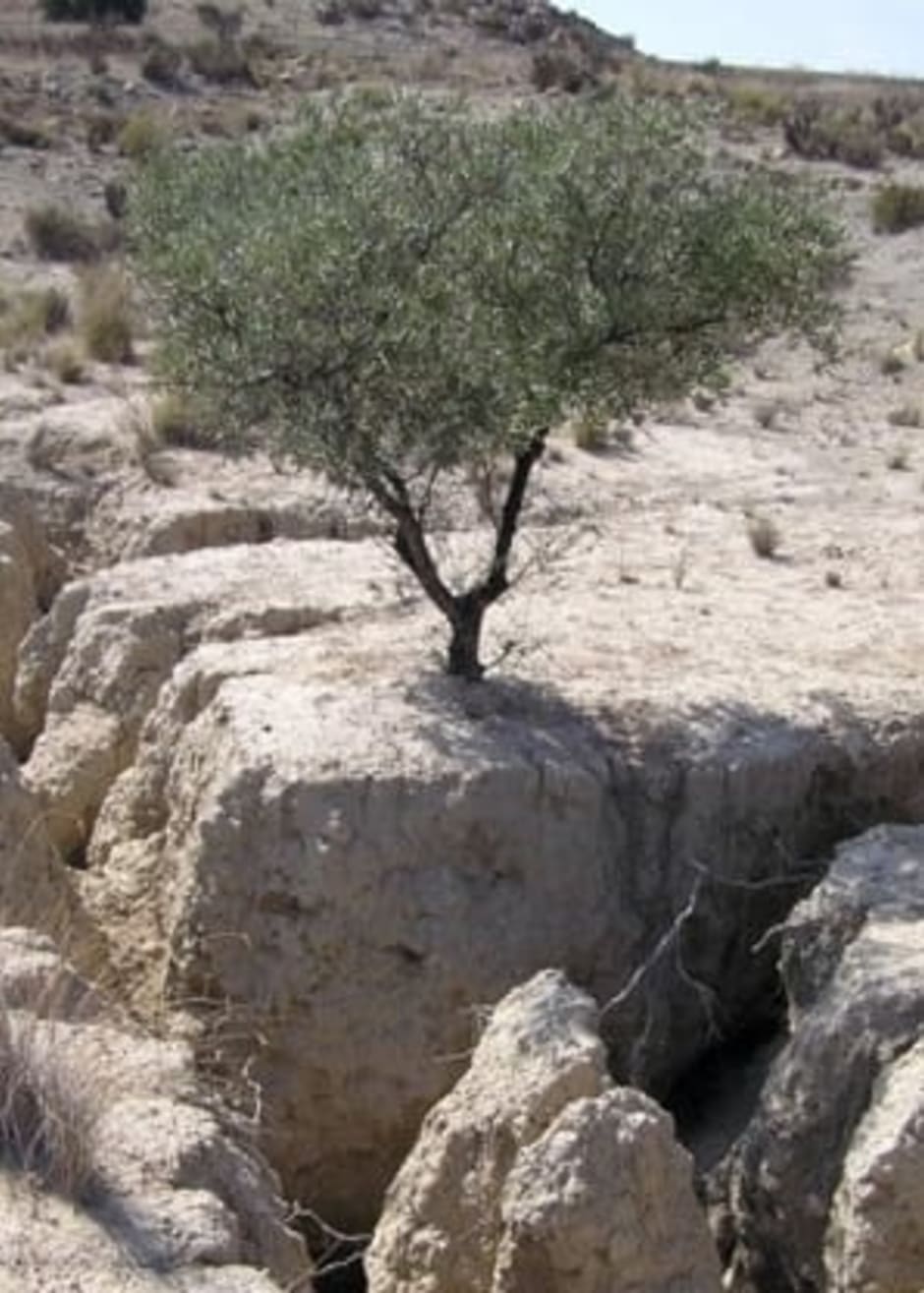
How is desertification caused? Desertification can be caused by natural and human factors. “The climate is changing. In southeast Spain it is getting warmer, drought is increasing and therefore rainfall is also decreasing,” says Cammeraat. “Human activity also causes desertification. People are pumping up more and more groundwater, for example for irrigation or tourism. This causes erosion, which here means that the fertile top layer of the soil can be washed away by the rain. Then you lose all the nutrients you need for plant growth. It takes hundreds of years for such soil to form, and then you lose it all at once,” says Cammeraat.
“Desertification is a self-reinforcing process,” Cammeraat explains. “Desertification causes the plant cover to disappear, making the soil more vulnerable to erosion.” As this consequence further exacerbates the cause of desertification, the quality of the land continues to deteriorate. “Salinization can also occur, which means that the soil becomes more saline and many agricultural crops do not like this,” says Cammeraat.
Empty areas with thirsty sunflowers
“Another consequence is that many people move away from rural areas where desertification is occurring,” says Cammeraat. “Because business for agriculture is doing less well, there is less work for people. They go to areas where there is money to be made, such as where there is industry or to the costas for tourism. This leads to the social disruption of villages in the interior because there is no demographic growth. That is why the EU has developed subsidy systems to provide financial support to these areas.”
But EU subsidies do not always work, indeed some subsidies worsen conditions. Cammeraat cites a famous example about how the EU started subsidising sunflower cultivation in Spain. “Sunflower cultivation uses a lot of water. For one litre of sunflower oil, you need two to three cubic metres of water, while there is not enough water there. Olive trees also grow in the area and they are adapted to drought. They don”t produce as much oil as sunflowers but at least you don”t have to water them as much. And those olive trees were actually cut down for sunflower cultivation.”
Thirty years of research
“It is and always will be a very dry area,” says Cammeraat, who is still a little optimistic about how his research has contributed to solving the problem of desertification. “Sometimes abandoned pieces of land are bought up by enthusiasts who set up regenerative agriculture farms. They try to make these landscapes ecologically healthy and can use the knowledge we have built up. Much more needs to be done, especially in terms of knowledge transfer to the farmers. But the farmers also need to keep their heads above water and are not always waiting for new knowledge and change.”
What has changed in the area during the past thirty years during Cammeraat’s research? Despite the fact that cauliflower cultivation has become more difficult due to desertification, abandoned agricultural areas now have new functions, according to Cammeraat. “More almonds are now being grown. The almond tree copes well with stony soils and drought and does not need to be irrigated. Although this type of almond tree cannot compete with other almond trees that do need water, subsidies ensure that it still yields money. In addition, mega pig farms have appeared. They have no problems with nitrogen like here, but the locals do complain about the stench.”
At last, desertification remains a persistent problem. Cammeraat: “The accessibility of the area has improved in particular. There used to be dirt roads and now there are paved roads in these rural areas. This has led to many more project developers, including people who build and sell villas to tourists. Tourists use much more water than the local population, so you can already see an increasing lack of water in hotels. Sometimes there is no water for a day or your coffee is made with salt water.”