Willemijn van Dolen | Which brands are benefiting most from the orange craze during the World Cup?

During the World Cup consumers are inundated with adverts, promotions and special packaging. Marketers are pulling out all the stops to capitalise on the orange fever. But does it actually work, wonders columnist Willemijn van Dolen. “The most dangerous are the mid-table brands; they disappear into the mass of orange marketing without really standing out.”
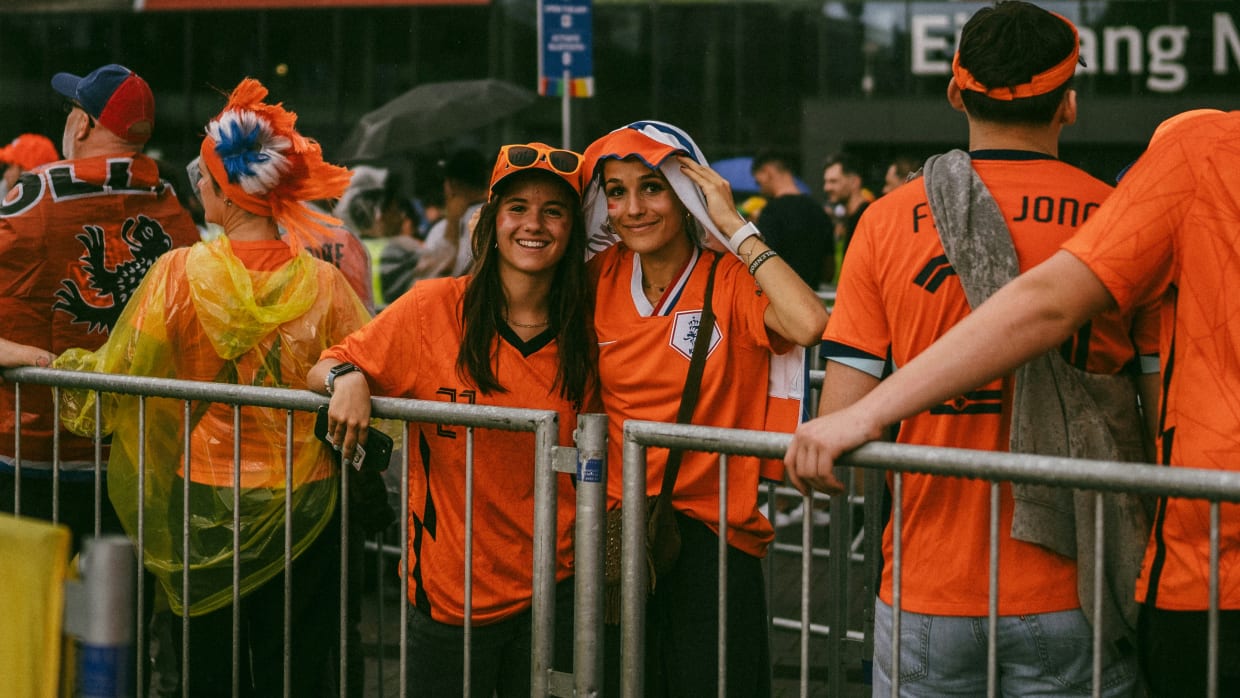
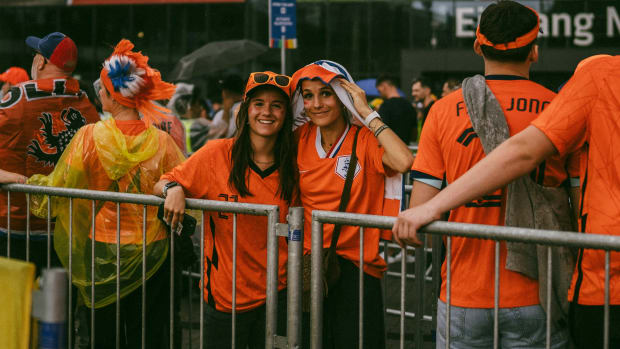
The World Cup has begun! The city is slowly turning orange; pubs, houses, streets and clothing. Supermarkets are also enthusiastically joining in. The self-scan checkouts are orange, beer brands are launching special promotions, and even products that have little to do with football, such as liquorice (Oranje Legioen limousines), biscuits (Leeuwenpootjes) and orange juice (Oranje Boven), are being adorned with an orange bow. The World Cup has long since ceased to be merely a sporting event. It is a marketing event.
It is no surprise that marketers are keen to capitalise on the orange fever. But does it work?
A comprehensive scientific study of hundreds of consumer brands surrounding major sporting and cultural events in the Netherlands shows that price promotions during popular events are, on average, more effective than the same promotions at ordinary times. The price elasticity of promotions was, on average, higher during events. In other words: the same discount generates more sales when consumers are caught up in a major event.
That sounds logical. A World Cup generates more demand in certain categories. People simply buy more beer and crisps during a football tournament, promotion or not. But there is more to it than that. The researchers call this the benefit of event association: by linking a promotion to an event, a brand benefits not only from that higher demand, but also from the attention and positive atmosphere that the event brings with it. Those positive feelings are partly transferred to the brand itself. A beer brand that is visibly present during the World Cup is thus gifted a share of the “orange feeling”.
Yet the “orange feeling’ is no guarantee of success. The researchers found significant differences between events. Speed skating championships and the Winter Olympics proved particularly effective for price promotions. The Summer Olympics, on the other hand, proved a disappointment: there, price promotions were on average less effective than outside the event.
Moreover, not every product works equally well at every event. The link between product and event, the so-called category-event fit, plays a crucial role. Beer and crisps with football: logical and effective. But even a product that doesn’t fit an event at all can stand out because of its unexpectedness. The most dangerous are the middle-of-the-road brands: those that fit the event only slightly disappear into the mass of orange marketing without really standing out. I’m curious to see how the lion’s paws and the orange liquorice sweets will fare.
Precisely because everyone wants to capitalise on the orange fever, there is a huge amount of marketing hype. I’ve already seen a World Cup dressing gown (Albert Heijn), Pils pyjamas (Heineken), Cheer Jack (Jumbo), Prediction Shirt (Stelz), and World Cup balls (Plus) come and go. Consumers are inundated with adverts, promotions and special packaging. Researchers refer to this as information overload: it is actually becoming harder for individual brands to stand out. Those who fail to distinguish themselves get lost in the noise.
It’s just like football: not everyone who takes to the pitch wins. Only those who are in the right place at the right time score. Come on Holland, come on!