You can’t solve the reading crisis with pretty covers

Printing on edges, or decorating the edges of a book page with a colour or a snazzy print, is a popular trend, notes our columnist Nikola Edelsztejn. “But people are still barely reading, and decorating paper isn’t going to solve this problem.”
I recently read an article in the Dutch daily de Volkskrant about a popular trend in the literary world: printing on edges, or decorating the edges of the page with a snazzy print. Luxurious, artistic book covers and other types of decoration are now hot and happening, and the bookshelf can look forward to a fantastic aesthetic upgrade. The problem persists, however: most bookcases are simply not full enough to be aesthetically pleasing. People still hardly read at all, and paper decorations won’t solve this problem.
It has long been known that the Dutch no longer consume much literature. Research by the Stichting Lezen revealed that the average Dutch person reads eleven books a year. The largest group, 63 per cent, reads fewer than five books a year; 30 per cent of this group reads none.
In France, an average of 22 books are read per year; the group that has read fewer than four books is also significantly smaller, at 39 per cent. Do the French spend less time on their phones? Yes! In France, the average screen time is 4 hours and 37 minutes a day, whereas in the Netherlands it is around 9 hours. Should we really blame the smartphone for everything? For a lot, certainly, but on this point there is something else that is organised much better in France: the book landscape.
Connie Palmen
Anyone stepping into a bookshop in the Netherlands is unlikely to be tempted to buy a book. With standardised bookshop prices, which mean a book costs an average of 22 euros, it is simply not appealing to spend an afternoon browsing the bookshop in search of new titles. As long as the minimum wage is lower than the price of Connie Palmen’s latest novel, something is seriously wrong – and that’s not how Connie would have wanted it either.
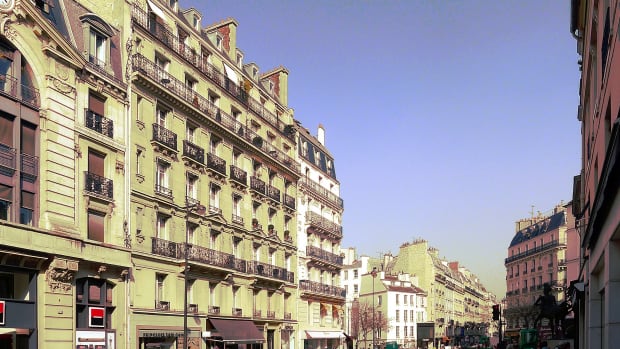
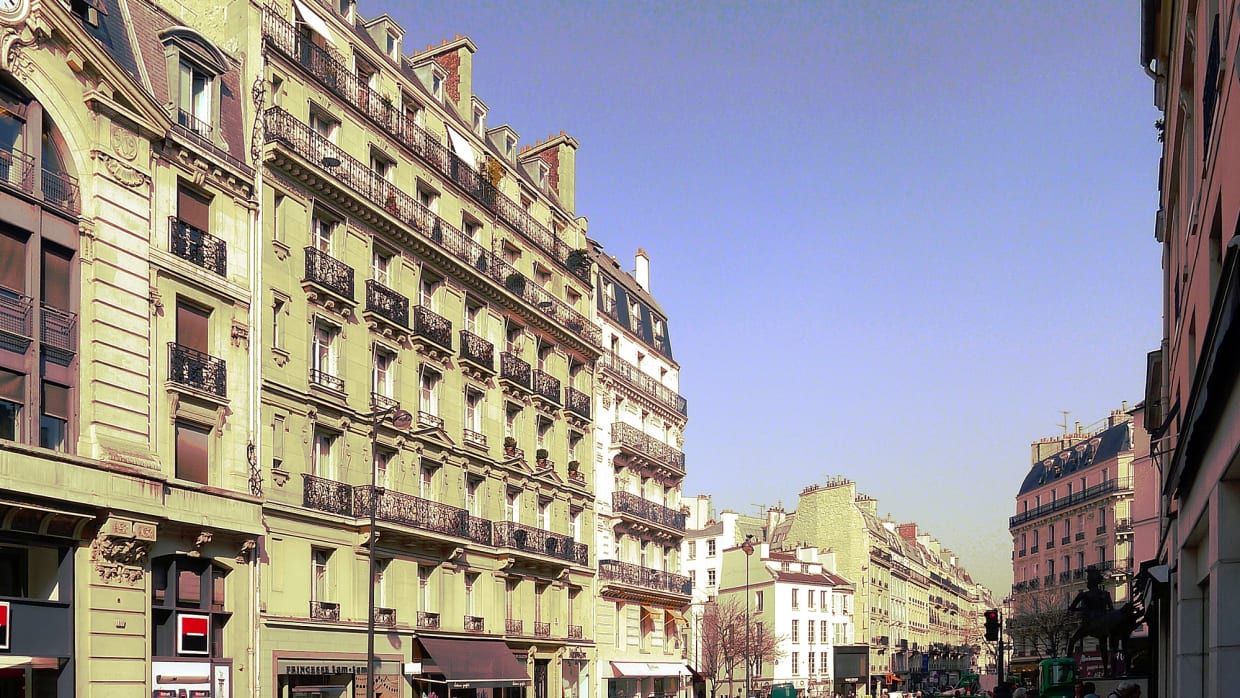
No, then there’s the European literary stronghold: the Rue de Sèvres in Paris. Stump out your cigarette against a traffic sign post and duck into the bookshop. It won’t be long before you see all the major French and international authors printed in black serif on a glossy paperback cover with a small photo across the width and the author’s name in red. You have come across the Folio series and the price on the back brings a lovely smile to your face: for the price of a single Dutch book, you can take four to six books out onto the terrace here. How delightful!
Cultural difference
It may sound simple, but a fairly significant reason for the higher reading rate in France is not only that they simply have a better literary tradition than the Netherlands, but above all because they allow that literary tradition to influence the way the selection is presented. A book is there to be read by people who are interested in it, so the price must be in line with that purpose.
In the Netherlands, cultural and literary education is a more limited part of upbringing and schooling, which has a direct impact on the saturated literary market. Furthermore, in the Netherlands, book prices reflect the commercialisation of the literary world: the writer must earn, the publisher must earn, state support for authors and publishers is non-existent, so the price must be high, otherwise the whole business collapses.
Pfeijffer
It is therefore also problematic that whilst the trend towards producing luxury editions is currently taking hold, nothing is being done on the other side of the coin. Why on earth would I buy a Dutch bestseller if I can order it from a French website and it works out cheaper, even including postage? Do you know how much Pfeijffer’s Grand Hotel Europa costs at your local bookshop? Thirty euros. In France, you pay eleven for it. Work on which a translator has also had to collaborate, and who does not work for free either.
Authors must be given the opportunity, in addition to their contract with their usual publisher, to also assign the rights to a Folio-style publishing house, which produces paperbacks on paper of dubious quality and sells them to the reader for eight to ten euros. No right-minded person would in any way consider it rational to produce even more extravagant editions of books, which still cost over twenty euros, in the hope that people will then suddenly make a trip to the bookshop. The books are too expensive!
Literature does not need to be commercialised any further; otherwise, it ceases to be worthy of the name. There is no need to point the finger at anyone; there simply needs to be a change in the way literature is presented to the public. In this regard, we can learn a great deal from the French approach.
Nikola Edelsztejn is in his first year of the BA in Italian Studies at the UvA.