Willemijn van Dolen | Why healthy eating is more than just knowing what’s good for you

For many, healthy eating is a classic New Year’s resolution, but why does it so rarely succeed? According to columnist Willemijn van Dolen, it’s not just a matter of discipline, but above all about what food means to you. “What are you really trying to nourish: your body, your relationships, your conscience, or your need for pleasure?”
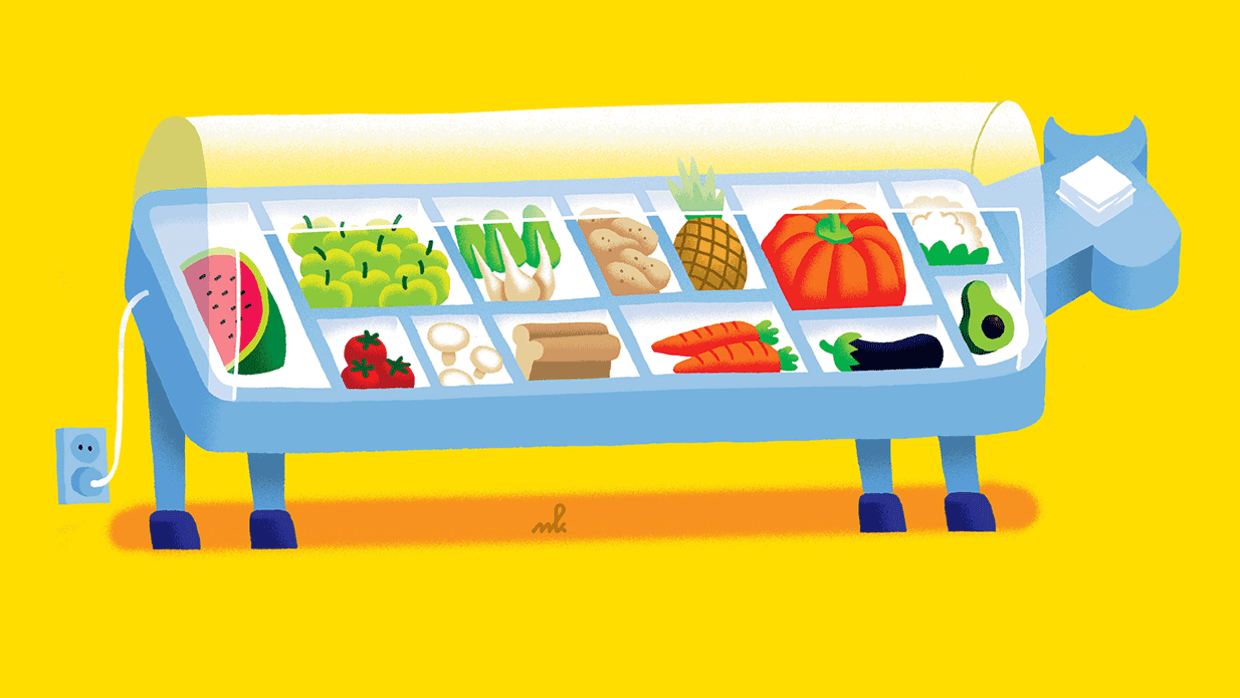
The start of a new year always feels like a moral clean slate. We resolve to exercise more, scroll less, and, almost without fail, eat healthier. Less sugar, more vegetables, cooking more often. Yet every year, it becomes clear how difficult it is to stick to these resolutions. Not because we don’t know what’s healthy, but because food means far more to people than health alone.
Recent research shows that people attach very different meanings to food, and these meanings are closely linked to how and what we eat. For some, food is primarily fuel: a means to make the body function optimally. For others, food is mainly about togetherness, social connection, and daily rhythm. Some approach food from moral convictions, such as sustainability or animal welfare, while others focus on aesthetics: taste, pleasure, and indulgence. There are also people who see food in a functional way, guided by schedules, labels, and supplements.
Obligation
Crucially, these meanings differ from person to person. And it is precisely these differences that explain why resolutions play out so differently. Two people may have the same intention—to eat healthier—but act from different starting points. Those who see food as socially and morally meaningful tend to eat healthily more consistently than those who approach health purely rationally. Healthy eating then becomes not an obligation, but a way to care for oneself, for others, and for the world.
Those who experience food primarily as an aesthetic pleasure are more likely to indulge: snacking, ready-made meals, eating “because it tastes good.” This isn’t necessarily negative, but it can sometimes conflict with health goals. The familiar tension between enjoyment and healthy living turns out to be less about discipline and more about meaning.
This insight calls for a different perspective on resolutions. It may help less to promise yourself once again, “I will really eat healthier now,” and more to explore what food means to you. What values underlie your choices? What are you really trying to nourish: your body, your relationships, your conscience, or your need for pleasure?
Those who connect their resolutions to these underlying meanings increase the likelihood that they will stick. Healthy eating then becomes not a generic resolution, but a personal story. Based on the research, even a short online “gut feeling” test has been developed to help you explore what type of eater you are and what motivations drive your choices. Not as a judgment, but as a starting point. Perhaps a good resolution begins not with a diet, but with self-insight.