New CEDLA Master’s programme to focus on global and social developments
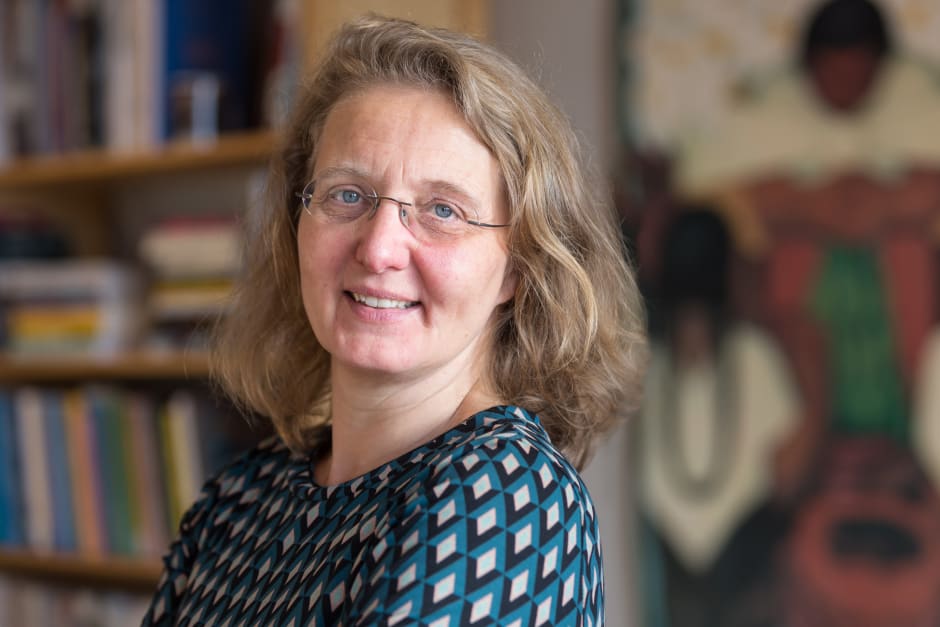
The Centre for Latin American Research and Documentation's (CEDLA) new master's programme, Global Justice and Social Transformation, shifts its focus from Latin America to broader issues of social inequality and injustice across the Global South. By broadening its scope, the programme hopes to attract a larger and more diverse group of students. CEDLA director Barbara Hogenboom is enthusiastic about the new direction.
What does the new Master’s programme entail?
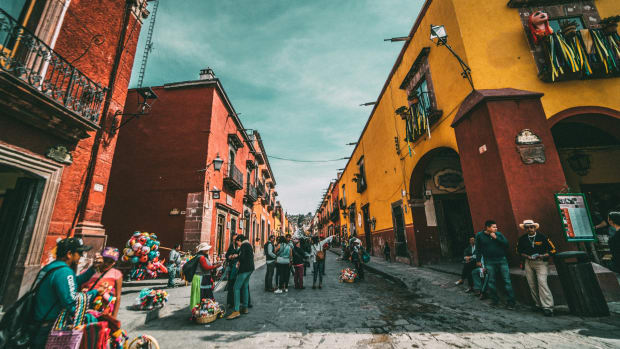
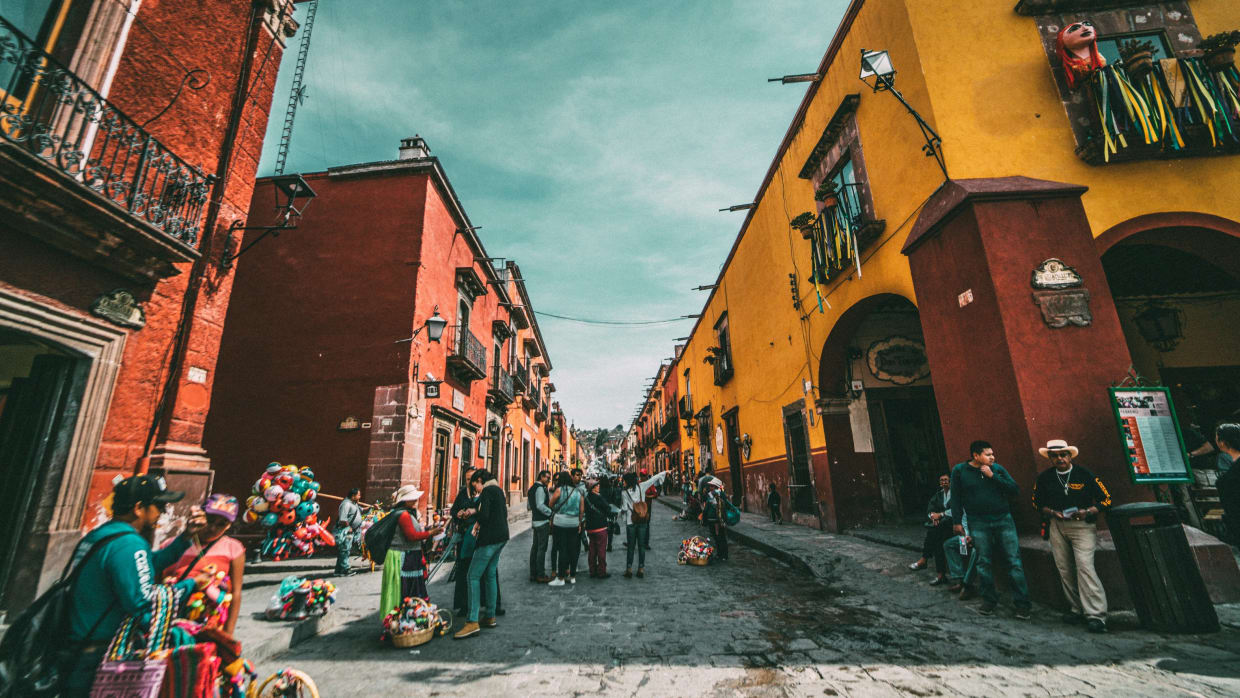
“The title is Global Justice and Social Transformation. Well, that’s quite a mouthful. In any case, we wanted a programme focused on global developments, including the Global South. As for global justice, many social debates, movements and changes, as well as issues of justice and inclusion, are relevant to this field. Take the focus on femicide, for example; we in the Global North, in Europe, have actually been relatively slow to address this. In Mexico, this was already a major issue back in the 1990s.”
“Injustice – whether it concerns gender or sexuality, is economic in nature or something else – is happening in many parts of the world. And that, in turn, leads to the link with social transformation. This stems from those social issues, but it is by no means a simple, straightforward matter. It also gives rise to all sorts of counter-movements. It’s all very interesting to study. I’m enthusiastic.”
What were the key considerations when designing the Master’s programme?
“We’ve noticed that students are very interested in these themes. We’ve listened carefully to their views. We already offer a minor in global justice, which is always very popular with students. So we thought: well, we have this expertise; we can combine it with that of colleagues with expertise in other regions within the Faculty of Humanities.”
“Students undertake fieldwork as part of this Master’s programme. We believe it’s important that the research is also relevant to local residents – that they see some benefit from it. So it’s not a case of arriving there, conducting research for your thesis, and then coming back here to the Netherlands to write it up and that’s it. It is important that, as a student, you also assess the needs of the local population. The issue of participation and valorisation has been a feature of academic research for years. I have said that this must be incorporated into the programme. You have to teach students what the conditions for this are, rather than just saying: it is important to be aware of this.”
What exactly is the difference compared to the previous Master’s programme?
“The previous Master’s programme was specifically focused on Latin American studies. This programme has a broader scope. That means students who wish to investigate issues of global justice and social transformation in, for example, the Middle East or Eastern Europe can do so. This also attracts more students. There will still be a group of students conducting research in Latin America, but others will go elsewhere. We’re still working out exactly what will be possible in terms of supervision. Not every topic can be covered in every location, but there are plenty of possibilities.”