The free-spirited UvA department of gay studies paved the way for same-sex marriage

On April 1, 2001, four same-sex couples said “I do” to each other in Amsterdam. It was a world first. Yet for Amsterdam it may have felt like a logical step: at the UvA, a department of gay studies had already spent a decade and a half working on what they called “the conceptualization of the homosexual.” These academic pioneers turned Amsterdam into an international center for gay studies and gay emancipation.
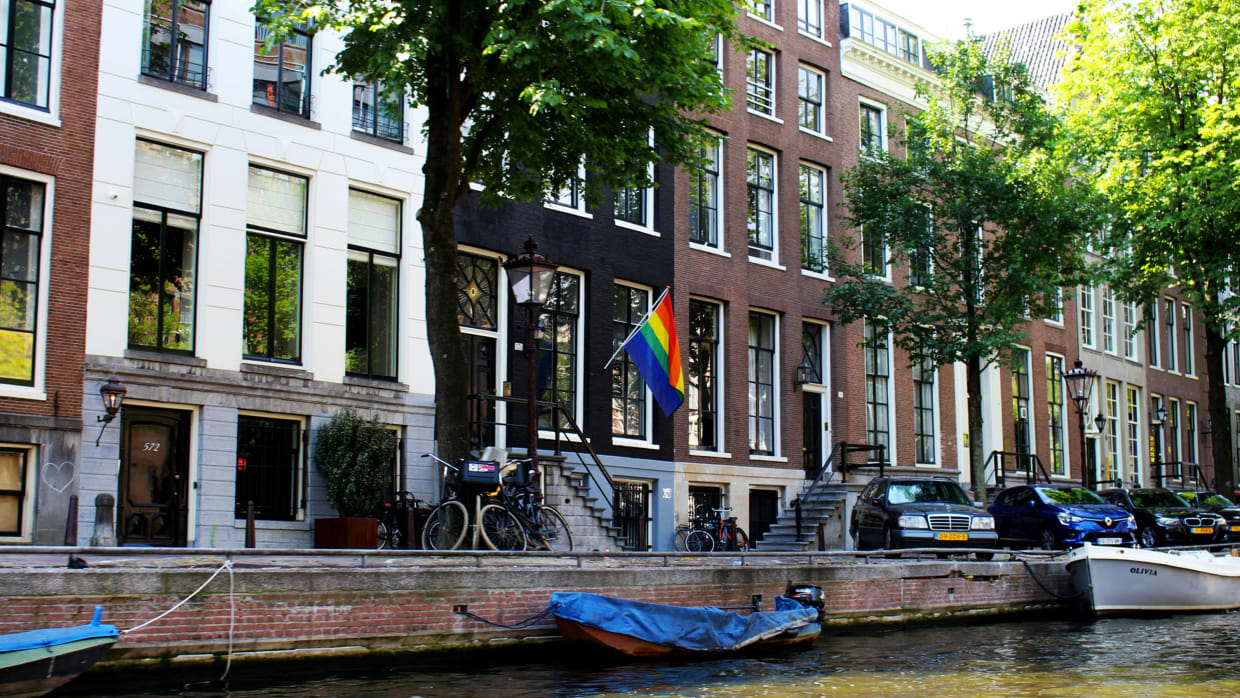
It was in 1984 that the undisputed founding figure of the field, Gert Hekma, introduced the gay studies department at the University of Amsterdam. Although it was a time when Amsterdam was grappling with homophobic violence and same-sex marriage was little more than a distant prospect, the university took a progressive lead by embarking on what Hekma himself described as “the conceptualisation of the homosexual”.
The department, which was housed within sociology but worked interdisciplinarily with scholars from fields such as the humanities and history, conducted research into, among other things, the history of homosexual men and lesbian women in the Netherlands, the rise of gay bar culture, and the many different expressions of sexuality. Above all, however, Hekma and his colleagues’ popular seminars were known for the freedom with which sexual experiences and fantasies could be shared, where nothing was considered too unconventional.
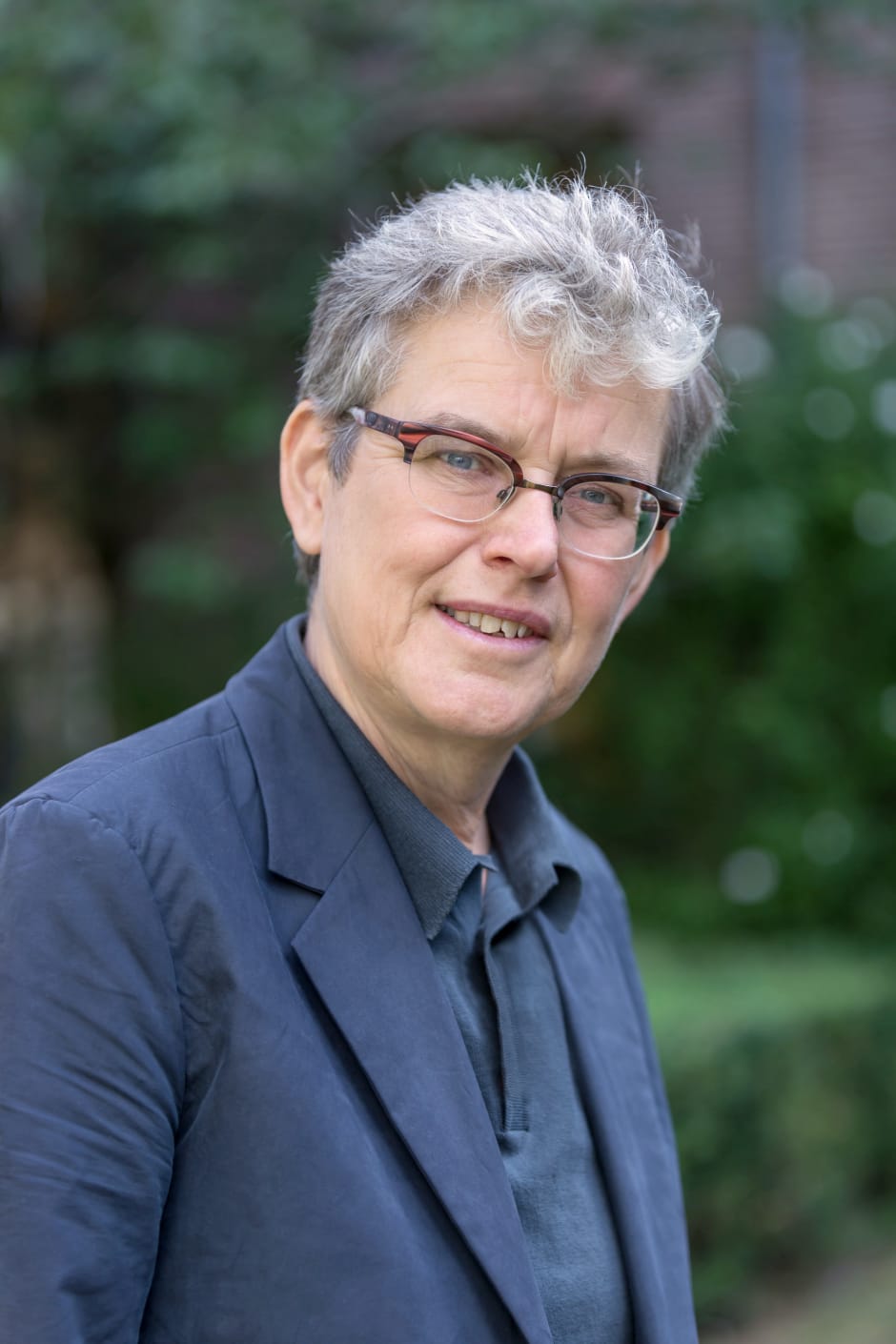
“It was a time when student movements were emerging across a wide range of academic disciplines,” says endowed professor of gender history Geertje Mak about that early period. “There was great enthusiasm for lesbian and gay studies, particularly among students and early-career researchers. That is where they found one another.”
Questioning frameworks
In that environment – full of ambition and a desire to challenge all conventional norms and frameworks – something as traditional as marriage was not an immediate priority. Nevertheless, this unconventional department did help create the conditions in which other, less outspoken gays and lesbians could gradually emancipate themselves more quietly, according to Mak.
“Within gay studies, it was not at all a central idea to try to resemble heterosexual couples as much as possible through marriage,” says the professor, who herself became involved with the department as a researcher in 1988. “But the fact that the university provided a space for encounters and academic debate on this topic did contribute to a broader societal development in the field of LGBTQ+ emancipation.”
She recalls those years as a period of transition. “Shortly before that, there had been very little interest in this field, but suddenly it became something of a pressure cooker and people realised it was in fact highly interesting.” Under the leadership of the UvA department, during the 1980s, Amsterdam rapidly grew into a central hub for gay studies. “There was tremendous success with two internationally renowned conferences,” Mak says. “At that point, the UvA truly was an international hub for groundbreaking lesbian and gay studies.”
Professor of Sociology Jan Willem Duyvendak also recalls the department he joined in 1987 as a stimulating environment. “At that time, gay studies existed only at the UvA, in Utrecht and in Nijmegen, so it was quite unique in the Netherlands. Books were published, conference proceedings appeared, and the academic journal Homologie was launched.”
Sexual morality
At the UvA, founder Gert Hekma – who passed away in 2022 – remained the central figure of gay studies throughout those years, although he did not shy away from taboos or controversy. His remarks about the paedophile association Martijn, for instance, drew considerable criticism. About him, Geertje Mak says: “He was a representative of a time in which sexual morality was becoming more liberal. He had an extensive network, but his outspoken libertarian views on sexuality sometimes led to astonishment and anger internationally.”
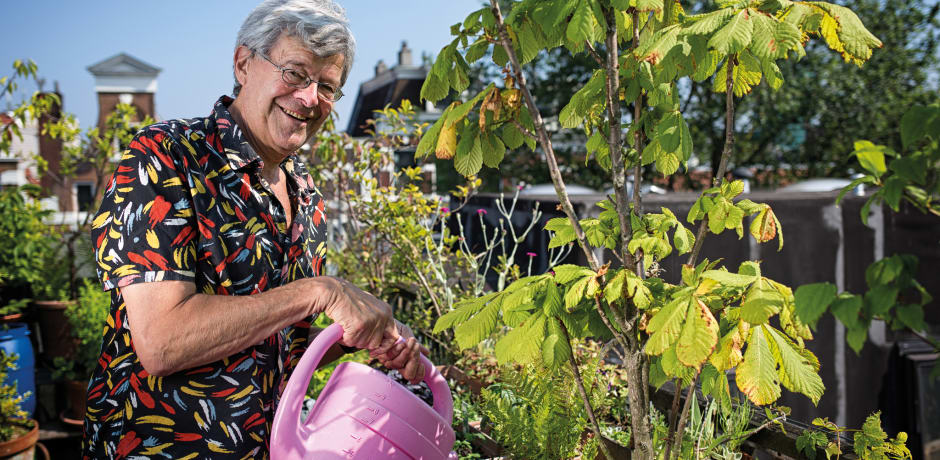
The fact that such radical and boundary-pushing ideas about sexuality were being expressed at the university during that period helped to stretch societal norms when it came to the acceptance of the LGBTQ+ community, Mak believes. “In the shadow of those more radical movements, which strongly challenged prevailing norms, other individuals and organisations were able to find greater tolerance more easily. That gave movements such as the COC and Gaykrant the opportunity to actively advocate for marriage equality.”
Gender & Sexuality
Meanwhile, gay studies at the UvA evolved – under the influence of the emerging lesbian-feminist strand – into an increasingly broad field from the mid-1990s onwards. Eventually, the original name disappeared, and the department was absorbed into the broader field of Gender & Sexuality. The final step in this process was the establishment of the Amsterdam Research Centre for Gender and Sexuality in 2010.
Professor Jan Willem Duyvendak played a key role in founding that centre. “Analyses of sexuality had, in fact, always been about gender as well,” he argues. “These two subjects were never entirely separate in thematic terms, so it made sense to bring them together.” Cultural anthropologist Marie-Louise Janssen, who has long been closely involved as a lecturer in the field’s new direction, also sees the transition from gay studies to Gender & Sexuality as a logical one in substantive terms. “In society, the importance of gender was playing an increasingly significant role, and the department moved along with that development.”
In this way, the strongly ideological and uninhibited character with which gay studies originally began was gradually tempered over the years. “The movement was always about utopian visions and radical ideas,” says Geertje Mak, “so same-sex marriage was never really the ideal. When it did eventually come about, it was seen as a more pragmatic form of emancipation. Nevertheless, many scholars from that time, after a period of youthful radicalism, later did make use of the opportunity once it became available.”
On how the field relates today to its ideological beginnings, lecturer Marie-Louise Janssen says the following: “We still conduct a great deal of research into the diversity that exists within sexuality, and there are more than enough sex-positive courses at the UvA. However, you do see that sex is still too often primarily problematised in general terms. In doing so, the more pleasurable aspects are sometimes overlooked.”