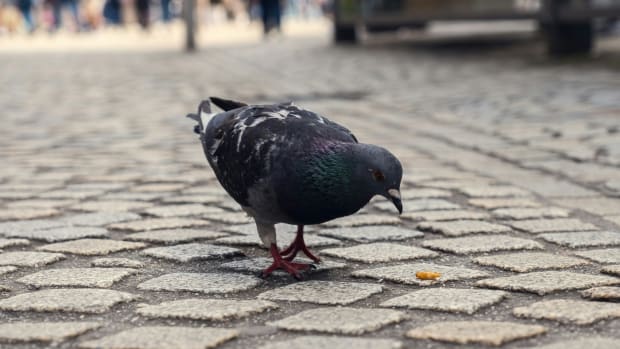
How do we survive in Amsterdam in crisis? “Pigeons on Dam Square will be gone in no time”

Geopolitical conflicts are all around us. It’s now clear that we need to keep a stock of large bottles of water, non-perishable food and cash to hand. That should see us through the first 36 hours of an emergency. But what if all hell really breaks loose? Urban ecologist and fellow at the Science Faculty of the UvA Geert Timmermans guides us through the city.
The Russians are still wreaking havoc in Ukraine, Trump is getting involved in every geopolitical conflict, and in Iran and the Middle East one missile after another is being launched. We too have to be prepared for an emergency, the NCTV has already said. If we eventually run out of our emergency supplies, where will we get our provisions? How do we survive in the city? Hunting and gathering — is that even possible in Amsterdam?
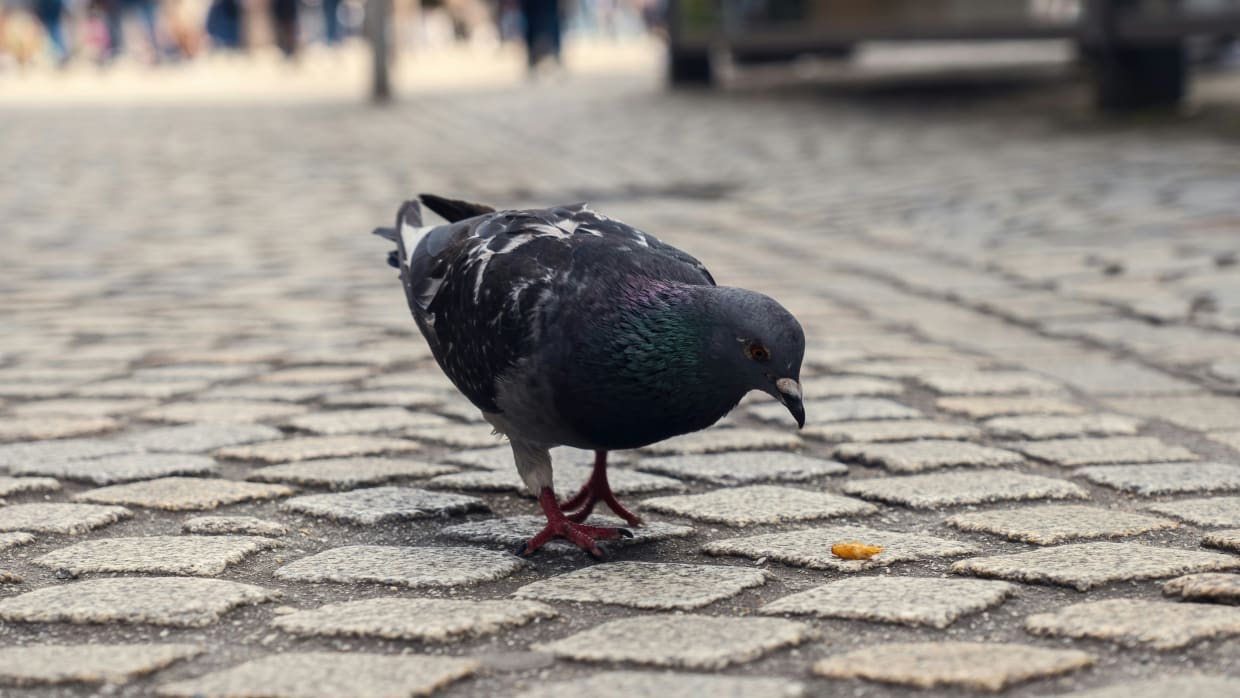
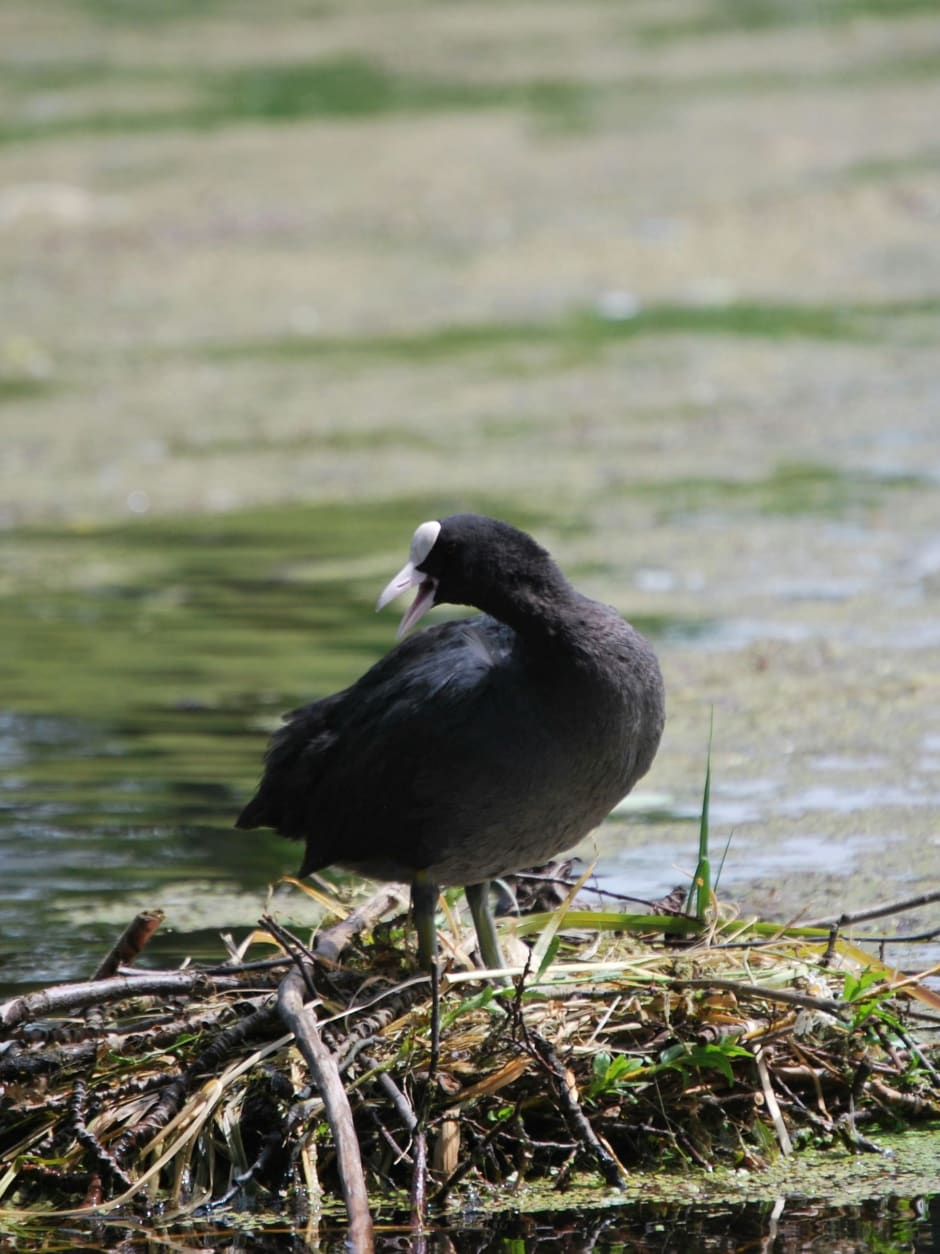
At first glance, there seem to be plenty of animals in Amsterdam that could be eaten. They are often animals people complain about a lot: mice, rats and pigeons. And yes, says urban ecologist Geert Timmermans: “You can eat rats.” But he immediately adds an important disclaimer. “Many rats in Amsterdam are controlled with poison, so I wouldn’t do that myself. Ducks, pigeons, coots — that seems like a better option to me.”
According to Timmermans, the fact that pigeons in Amsterdam seem to live mainly on a diet of chips and bread isn’t such a problem. And besides: “There will be none of that anyway,” Timmermans remarks dryly. They aren’t particularly nutritious, though, those pigeons, just like ring-necked parakeets. And despite the fact that the city seems to be absolutely swarming with them, in reality that won’t be the case. “If everyone starts hunting them, the pigeons on the Dam will soon be gone.” In any case, he emphasises, we’ll all have to “eat a bit less, otherwise everything will run out quickly. First, we’ll eat the animals, but at some point everyone will be forced to become vegan.”
Pigeon hunt
Back to Amsterdam’s wildlife. Because how do you catch and prepare it? For that, Timmermans falls back on the saying: better a neighbor nearby than a brother far away.
We could certainly start a pigeon hunt, but you do need to know how to go about it. The collective is key here, explains Timmermans: “First, check with the residents of your student house to see what knowledge is actually available. Some residents can go to the library to learn, for example, how to prepare a pigeon; another resident catches the bird, and in the evening, everyone can eat together.” Timmermans emphasises: “Tap into your network, and there’s more knowledge than you think.”
Survival standard
Furthermore, urban birds aren’t shy, so they shouldn’t be too difficult to catch. The only question is: how quickly do coots learn? “When do they think: “Shit, we need to keep our distance.” I reckon quite quickly; animals aren’t stupid.”
And our canals? There are plenty of fish swimming around there. And catching a fish – a perch, for example – is something anyone can do, according to Timmermans. Of course, that’s not the end of it. “You have to kill it and clean it. And freshwater fish often have lots of bones. But anyway,” he immediately puts it into perspective. “If you’re hungry, you’ll eat it.”
Those fish will contain toxic substances as well. At the same time, we must view all this as a survival standard. “Sticking to a diet like that for ten years isn’t very practical.” Besides, at some point the food will simply run out. “It’s fine for about three months, but we can’t keep it up for years.”
Vegetable garden
Alright, that was the meat, but what about vegetarians? The city centre is less green than the rest of the city, but shouldn’t be underestimated: the Canal District features large inner courtyards. Timmermans definitely recommends setting up a vegetable garden with fellow residents. “With a garden, you’ve got a much better chance of survival than without.” Do bear in mind, however, that the vegetable garden needs to be guarded in the evenings and at night. “When people are hungry, they do strange things.” Snails and insects – not slugs – are also perfectly edible. “You’re probably familiar with land snails from France, as escargots.”
Note: not everything is edible. Anyone who regularly sees toads hopping around their house is out of luck: toads have poisonous skin. Caution is advised in any case. Take the yew tree, whose berries are edible, but whose seeds are “highly poisonous”. “So you can only nibble on those.”
Dental problems
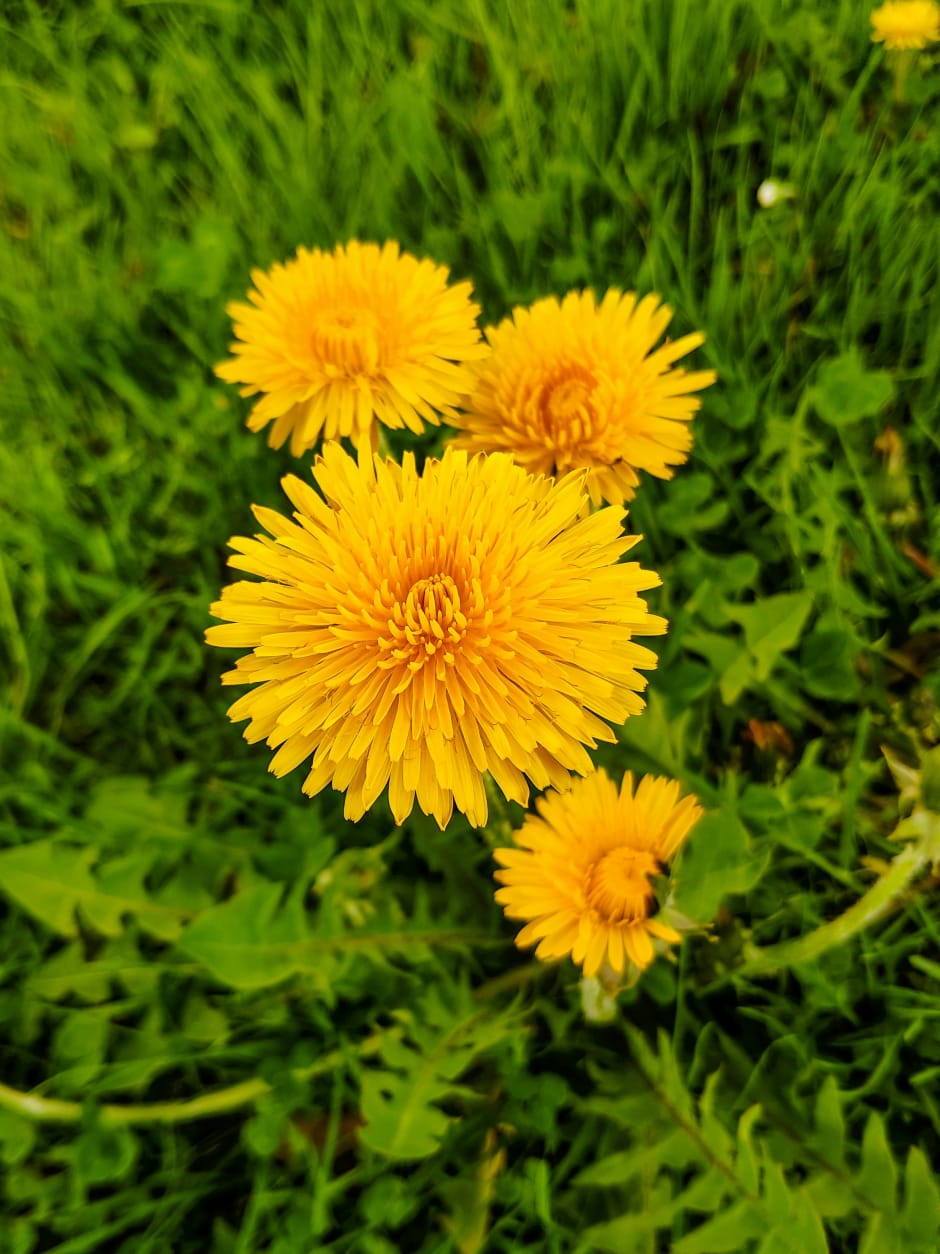
Everyone will probably lose a bit of weight, Timmermans suspects. Plants – think dandelions, lettuce and wild garlic (“we have parks full of wild garlic”) – do satisfy hunger, but aren’t very nutritious. “And in the long run, you’ll end up with dental problems.”
Also keep an eye on the soil from which you gather your plants and, in the autumn, mushrooms. “I’d eat them from the Flevopark and the Vliegenbos.” Many gardens in Amsterdam contain lead. Here too, the rule applies: eating it once a month won’t kill you, but eating mushrooms from toxic soil day in, day out is a different story. The question is, says Timmermans: “Do I ride it out, or do I die? That’s the sort of trade-off you have to make. Your long-term outlook is a bit less rosy at a moment like that anyway.”
One final tip from Timmermans: don’t let your pets run free. “Cat tastes just like rabbit.”