UvA student and teacher on Ramadan: “When I’m fasting, I can’t study”


Next Tuesday, Ramadan will end for Muslims worldwide with Eid al-Fitr. During this month of fasting, no food or drink is consumed between sunrise and sunset. How do you combine that with studying or teaching? A UvA student and teacher explain why they participated in Ramadan this past month.
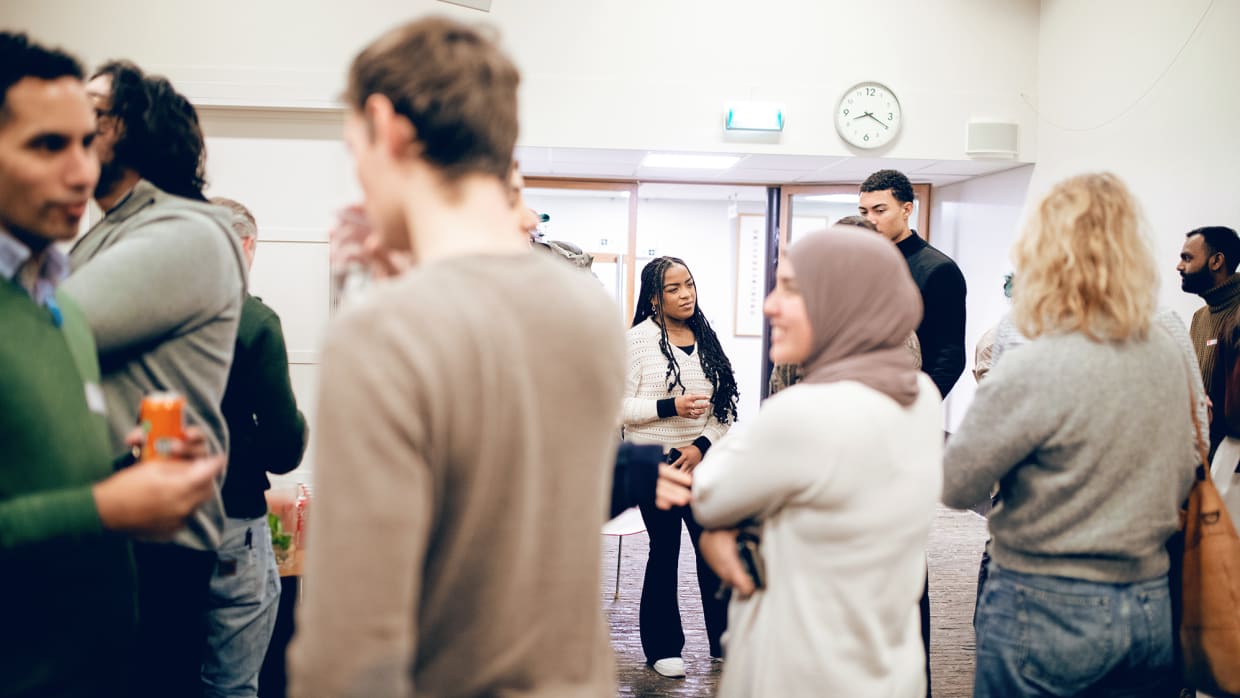
After a month of reflection and fasting, Ramadan comes to an end on Thursday 19 March with the celebration of Eid al-Fitr. Ramadan was also visibly observed at the University of Amsterdam. Various iftars were held for students and staff, and additional quiet rooms were made available. Assistent professor Farid Boussaid and student Jana Saleh took part in the month of fasting. With one week to go, they tell Folia about their experiences.
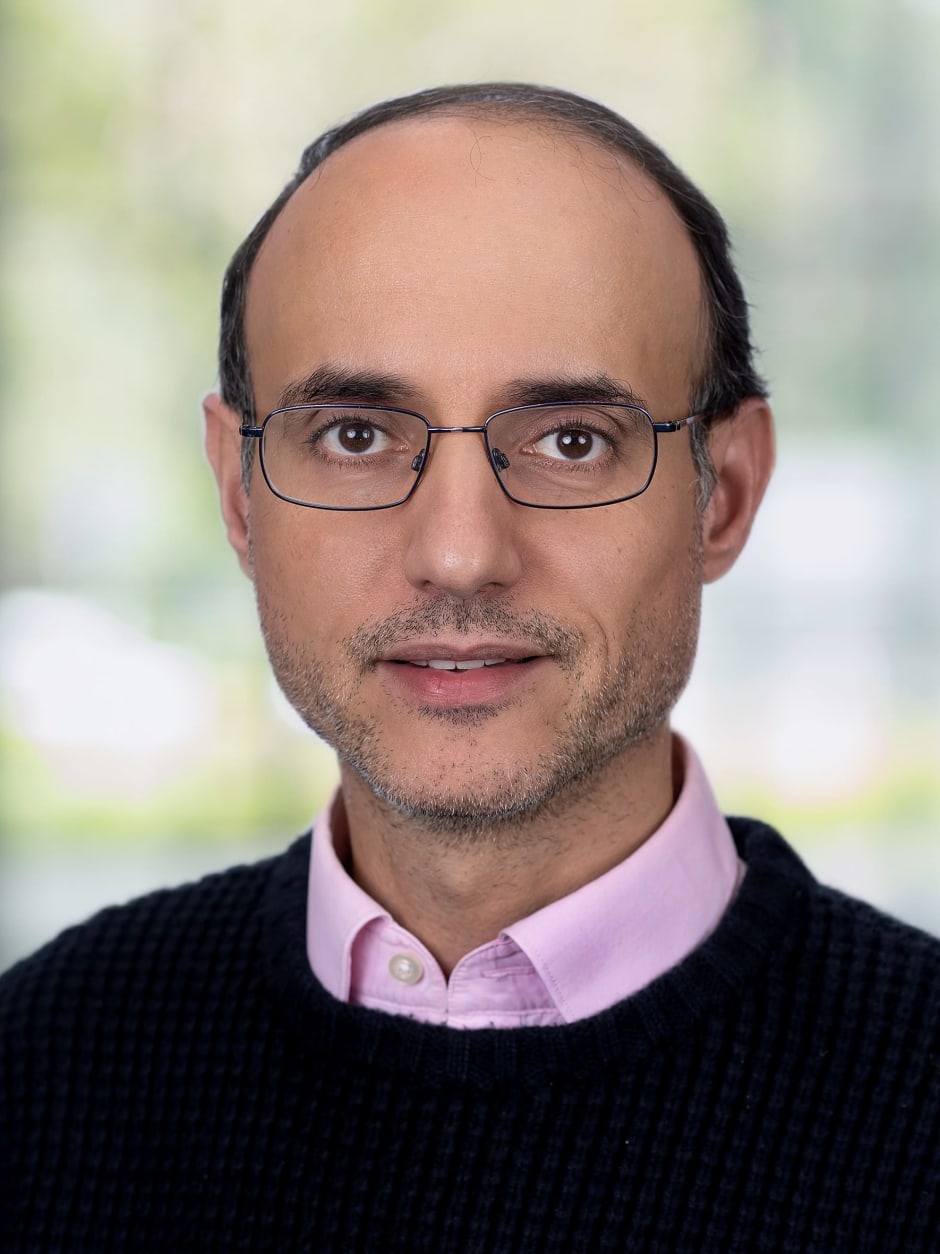
Farid Boussaid
Assistant professor in Middle East politics at the Department of Political Science
“Despite not eating or drinking during the day, I do not feel less alert. Iftar is early this year. It is easier than a few years ago, when Ramadan fell in the summer. Because the days are shorter, when it comes to daytime meals, I only really miss lunch. The nights are shorter, though, and I get up early. The short nights are more tiring than the hunger or thirst. Recently, I had a presentation, followed by a lecture, which also had to be prepared. By three o’clock, I’m tired – but I usually am. I do have to manage my energy differently. It’s funny, because my wife says that outside of Ramadan, I’m not very pleasant when I haven’t eaten. But during Ramadan, something just clicks.”
“In the evening, I do take it a bit easier than usual. I sometimes participate in iftars outside the house, which is nice to be among people, but can also be a bit of a strain at times.”
Ramadan is the ninth month of the Islamic calendar. For Muslims, it is a time of reflection and contemplation, as well as a month of fasting. This year, Ramadan falls from Tuesday 17 February to Thursday 19 March. During this period, Muslims are only allowed to eat and drink after sunset. The meal that breaks the fast is called iftar. Ramadan ends with Eid al-Fitr, also known as the Sugar Feast.
“If you’re a night owl, I can imagine it’s more difficult. Colleagues who only correct things after dinner, for example, that's not convenient now. But it doesn’t really affect my working day. Ramadan is also a month of reflection. I'm more concerned with spirituality, I go to the mosque more often. It’s a time for reflection: another year has passed, where do I stand in life?”
“Despite the discourse of the far right, I feel that Ramadan has become normalised. It has found a place in Amsterdam and at the UvA. Pastry shops and supermarkets are aware of it and are capitalising on it. Iftars are being organised everywhere; if you want, you can have iftar somewhere different every evening.”
“Colleagues who know about it wish me a happy Ramadan, and so do some students. It’s good to see that the UvA, for example, is making extra quiet rooms available and organising iftars itself. Just as it organises a Christmas lunch. The UvA has a reputation as a secular and progressive stronghold. In my view, secular means being neutral towards different beliefs, so I think it makes sense that if you do something for Christmas, you also organise something for the Muslim community.”
“I will be celebrating Eid al-Fitr with my family. We will get together in the morning and everyone will bring something, a kind of potluck brunch.”
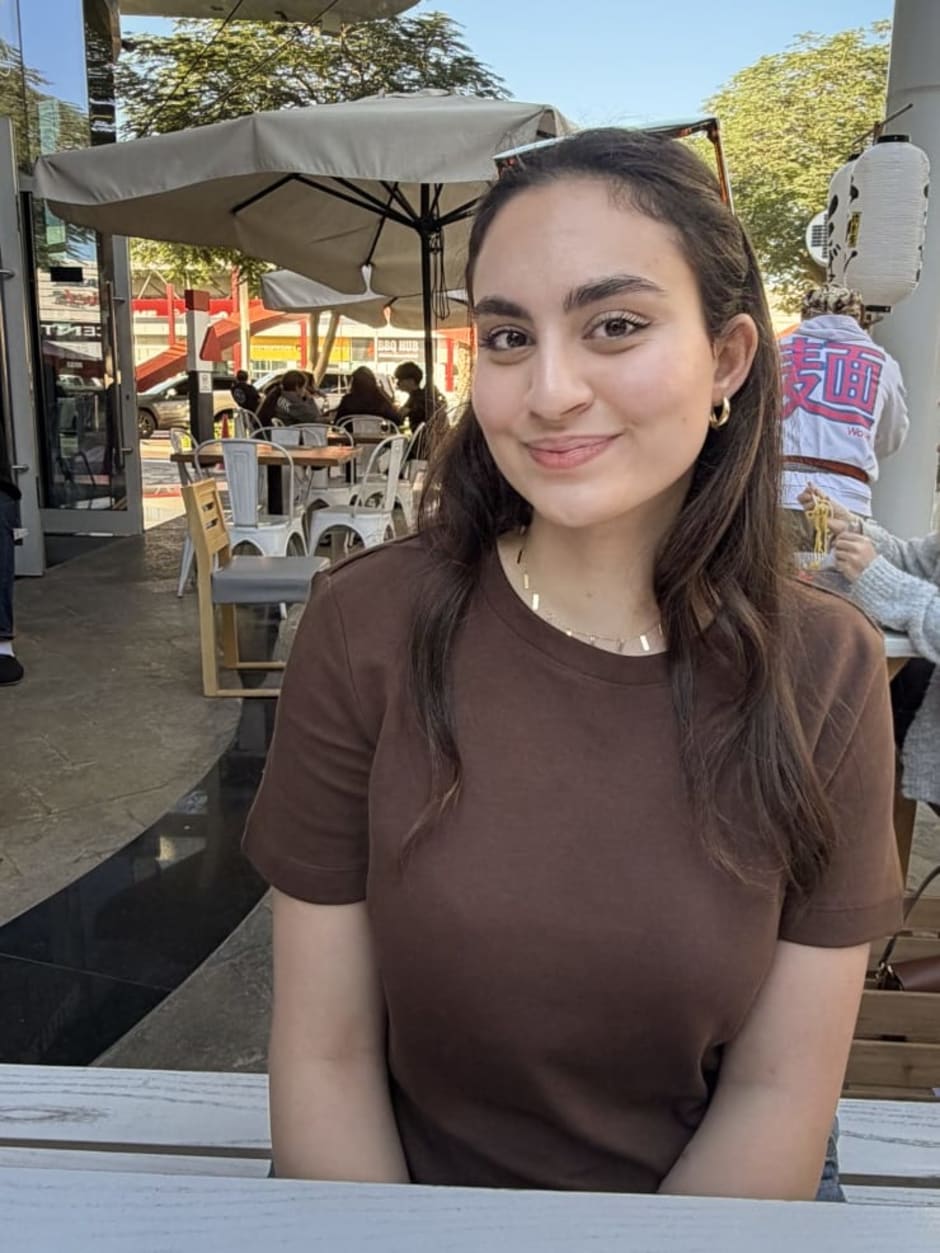
Jana Saleh (18)
Student Philosophy, Politics, Law and Economics (PPLE)
“For me, Ramadan is about being together with the people you love. I grew up in various places in the Middle East, and this is the first time I am spending Ramadan without my family. I usually miss home, but now I miss it even more.”
“At home, we don’t eat together every day, so Ramadan really brought us together. At the end of the day, you’re very hungry and thirsty and can get agitated. But when you’re with your family, you get through it together. I took that for granted too much.”
“It’s not just about eating a meal alone, as many students do. It’s more like celebrating Thanksgiving on your own, far away from your family. But then every day for a month.”
“An hour before I break the fast, I start cooking. My mother’s home-cooked meals are always the highlight of Ramadan. Now I try to recreate her recipes as best I can to keep the tradition alive. But you can’t find all the right ingredients here. There’s an Arabic dessert I often eat called atayef. You can’t get it here, but when I call my mother and she shows it to me, I think: she’s so lucky to be able to eat it with our family right now. For me, Ramadan is about the little things that make you feel at home.”
“Ramadan should not be seen as a purely religious thing, but as a practice of empathy. I don’t see myself as a very religious person. For me, Ramadan is more of a tradition. However, it is a way for me to reconnect with my faith. I do agree with the religious motives behind Ramadan. You learn to feel empathy for people who don’t have the privilege of eating whenever they want. I am also Palestinian, and for me, Ramadan helps me to feel what the people in Gaza are going through right now. It’s very different to understand something and to have actually experienced it. It makes you much more empathetic and grateful.”
“I can’t study when I’m fasting, so I’m letting that go a bit more now. My studies are just as important to me as Ramadan; they go hand in hand. So if there is a day when I am unable to fast, then so be it. Today I had a presentation that counted for 20% of my final grade, so I couldn’t fast. Here, I am one of the few in my programme who participates in Ramadan, whereas at home in high school we all did it together.”
“It’s difficult that I really have to do it alone now. At the end of the day, my friends are sometimes still full of energy and I’m in a less good mood. It’s hard for me to have conversations with them, whereas my family and friends at home would understand. They would be just as tired. When I feel alone, I think of all the other Muslims who are fasting right now. I remind myself that I’m not the only one who feels this way.”