
Law students increasingly less interested in social law practice

Because far too few law students choose social legal aid work after graduating, a major shortage is developing in the sector. Research shows that students currently have relatively little exposure to the field during their studies, says professor Liesbeth Hulst.

People on low incomes can turn to social legal aid lawyers – but for how much longer? Shortages in the sector are growing. Within the Dutch Bar Association, the professional body for lawyers, this development has been a source of concern for some time. Recent figures from the Legal Aid Knowledge Centre show that the number of social legal aid lawyers has fallen by 900 in recent years. Yet some six million Dutch citizens – nearly 40 per cent of the population – would depend on their support.
Within five years, a shortage of 1,000 full-time equivalents is looming. The deficit is felt most sharply outside the big cities: in the east of the country as many as 75 per cent of social legal aid lawyers are expected to disappear. Ageing plays a major part – more than a third of these lawyers will retire within five to seven years – but the flow of graduates from universities has also stalled.
And among the young graduates who still do opt for social legal aid, many quickly move on. More than half of all departures from the sector involve lawyers under 35. As a result, the number of lawyers providing legal aid to people on lower incomes is shrinking fast.
Prototype of the lawyer
Calls from within the profession to address this problem are growing louder. Earlier this month, Iris van Domselaar, professor of legal philosophy and professional ethics for lawyers at the University of Amsterdam (UvA), wrote an opinion piece in Trouw arguing that law faculties should do more to protect students from the lure of the Zuidas – Amsterdam’s financial district – and the big money that goes with it. Together with Liesbeth Hulst, UvA professor of access to justice and subsidised legal aid, she will speak this Thursday at Spui25 about the problem and the role the law faculty might play in forming a solution.
“Social legal aid lawyers are the prototype of the lawyer, standing in court week after week to assist people” , Hulst explains. “The right to legal assistance is enshrined in the constitution; the government must ensure that people without sufficient means are assigned a lawyer. Many criminal, family and administrative cases are handled by social legal aid lawyers. If there are not enough of them, a large part of society will no longer have access to legal protection.”
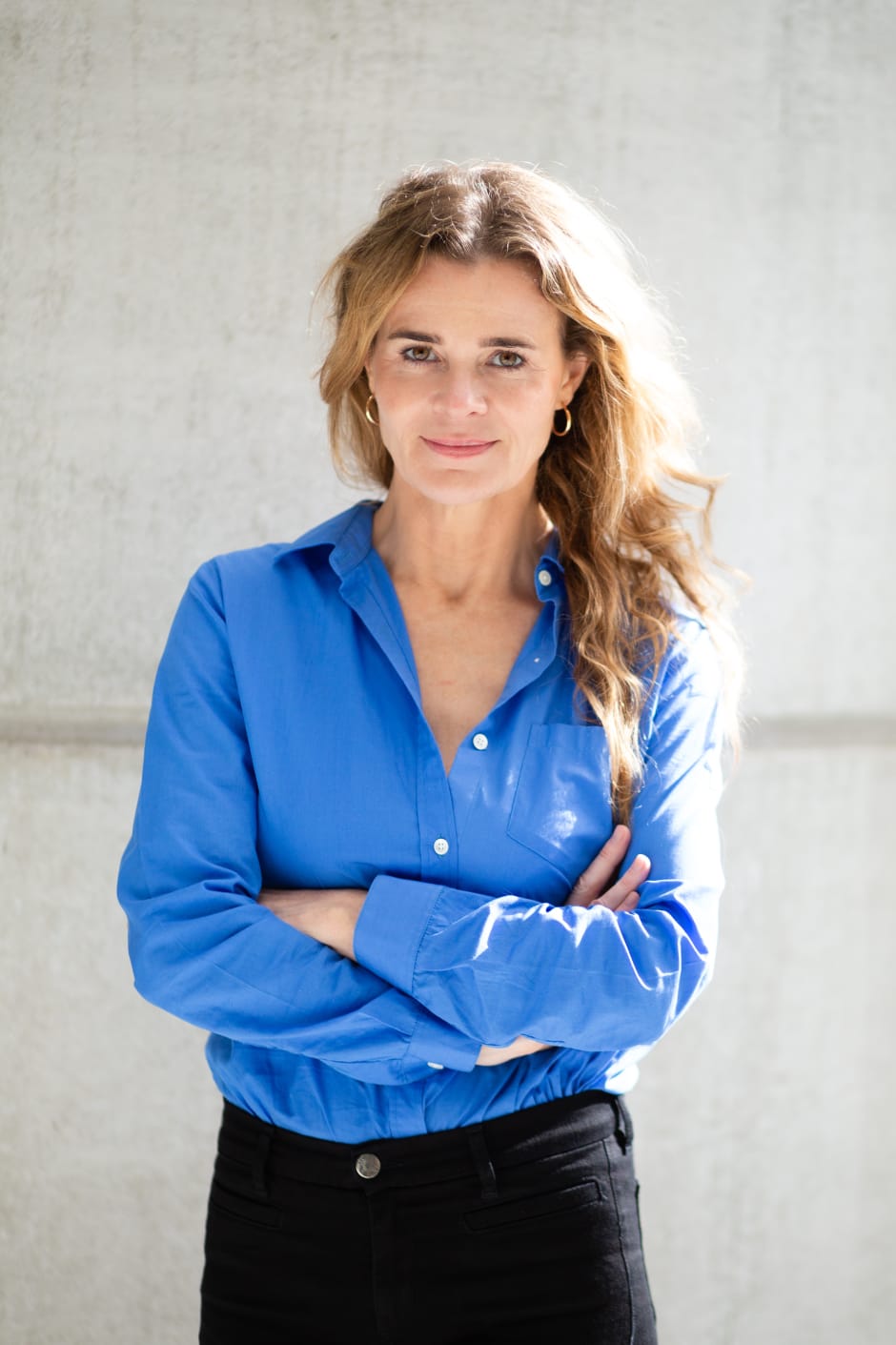
That is why the speakers have chosen to look at the role of the law faculty, says Hulst. “There are many parties involved in this problem: the government, private law firms, the students themselves. This makes it harder to see that an emergency is developing and then to act. The faculty trains students for positions of power and privilege within the rule of law. How do you, as a university, see your own role in that?”
Imbalance
The professor continues: “Existing research over recent years shows that three-quarters of law students say they have little or no contact with social legal aid during their degree. They don’t know the profession and have little exposure to the relevant areas of law. In that research this is contrasted with the attention law students say they experience for commercial practice. That matters, because it sends a deeper message to students about what is legally interesting, about what counts.”
Hulst cites the number of guest lectures as an example of the imbalance within the faculty. “During their studies, students get most of their practical exposure through guest lectures. Student surveys show that these are three times more likely to be given by commercial lawyers than by social legal aid lawyers. That is a lever law faculties themselves can pull. For social legal aid there are not many other points of contact; for commercial practice, according to the student surveys, there are.” These include, for example, networking events and recruitment dinners, mostly organised through student associations linked to the faculty.
Distance
She raises the question of what contribution a university wants to make. “Universities themselves declare that they want to help tackle the major social challenges of our time, not only internationally but also locally. Yet research shows that a substantial proportion of people on the street and in the courts feel distant from judges and think they have different priorities from their own.” Hulst also points to studies showing that citizens consider it especially important for science to contribute to fighting poverty, while at the same time feeling that this issue is not being addressed by academia.
Hulst says: “The question for the administrators of law faculties is: how do they want to contribute to the rule of law and society? Do they want to take the interests of society into account? Fewer and fewer law students choose areas of law that ordinary people deal with, such as family law, even though 85 per cent of civil cases in court are family cases. This is an invitation to law faculty administrators to consider whether they want to correct for the human tendency to pay less attention to people who are further removed from ourselves.”
That could also help reduce the sense of distance that part of the population feels from the legal world and the university. “Take, for example, the childcare benefits scandal, social legal aid lawyers played a very important role in bringing that problem to light.”
This process takes time, Hulst admits; changing the status quo is not easy. “Yet at an individual level it can move quickly: one-third of students say they do find social legal aid an interesting field. When the image and appreciation of the profession shift, that can help solve this problem in society. That is why we want to start the conversation now.”