UvA alumnus discovered serious abuses in African nature parks

Alumnus Olivier van Beemen recently won the Brusseprijs award for his book Ondernemers in het wild (Entrepreneurs in the Wild). The former French student received this award for best journalistic book for his investigation into abuses in African nature reserves. “Alleged poachers were hung from branches and beaten with sticks.”
For four days, investigative journalist Olivier van Beemen and his local colleague Flore Nobimbe were dragged from one police station to another in Benin. They had been arrested on suspicion of espionage while Van Beemen was conducting a major investigation into the influential NGO African Parks.
“I wasn’t afraid, but it wasn’t fun either,” Van Beemen says matter-of-factly about his imprisonment. “We were threatened with being brought before a special court for terrorism. But I had made a risk assessment with experts beforehand that the worst that could happen was that I would be deported. And that’s exactly what happened. Flore was also left alone afterwards.” Van Beemen was conducting research near an African Parks nature reserve in Benin at the time.
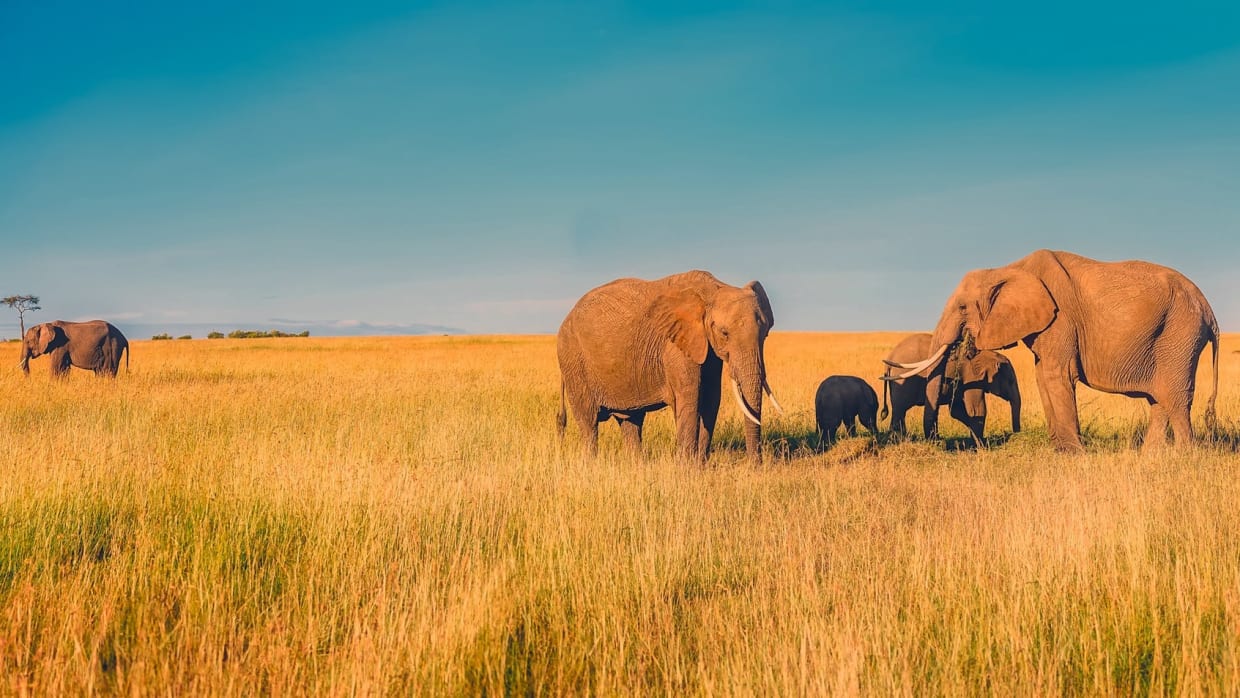
Follow the Money journalist Van Beemen first heard about this nature conservation organisation in early 2020 while reporting in Africa. With no fewer than 23 parks in 13 countries, it is the largest nature park manager on the continent. However, according to Van Beemen’s book, there are reports of intimidation, racism and even torture of the surrounding population in their parks.
Student and journalist
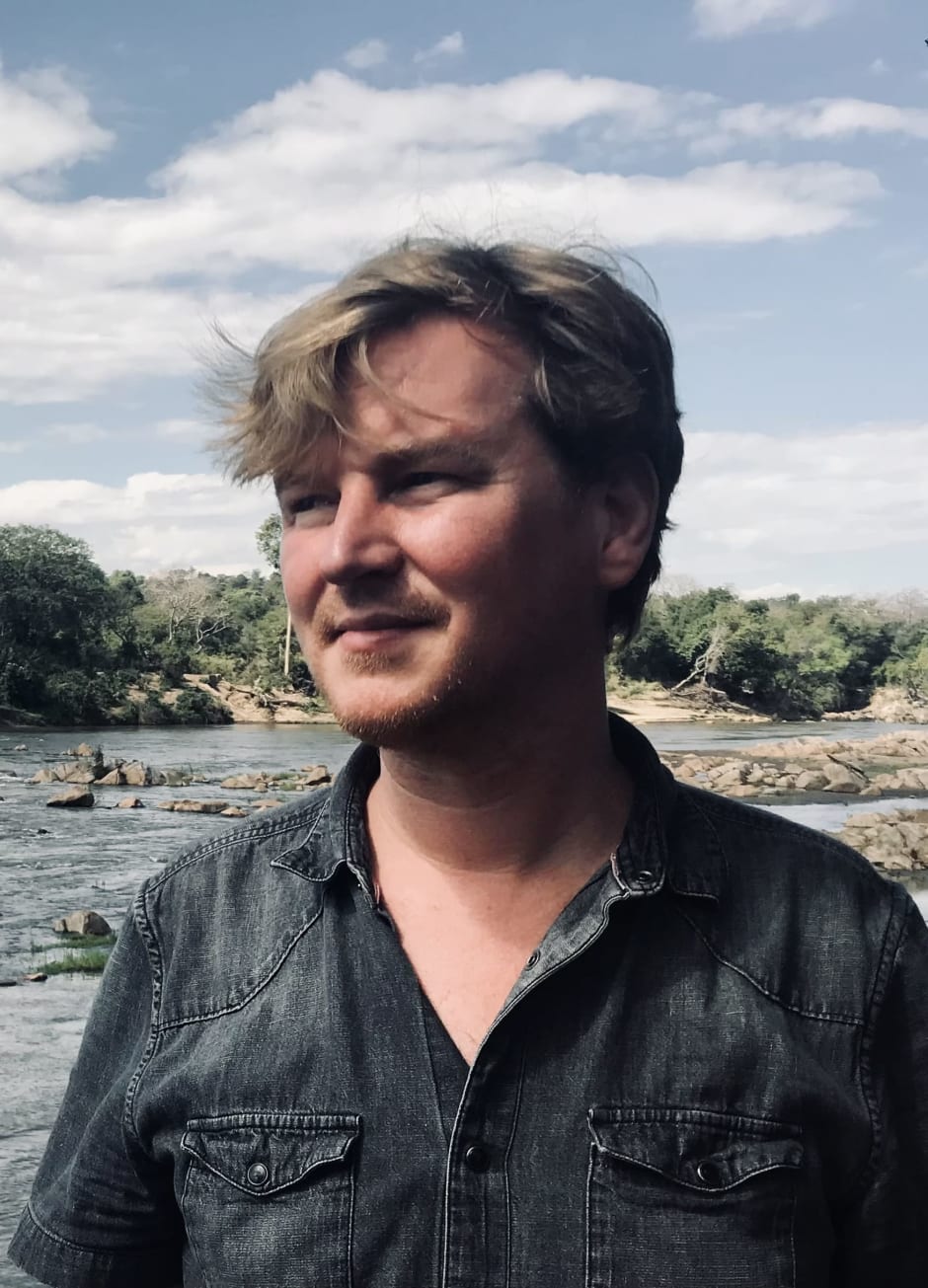
It had always been Van Beemen’s dream to travel through Africa – “preferably not in a police car” – and report on what was happening there. Even before his student days, he had been fascinated by the continent. “I wanted to know as much as possible about its history and read a lot of African writers.” During his student days, Van Beemen did so in French. It was no coincidence that the student chose to study a language at the University of Amsterdam that would take him far in West Africa. He wrote his master’s thesis in Paris, where he had already started working as a freelance correspondent during his studies, but he also began travelling to Africa in search of stories.
Years later, during one of these trips, Van Beemen came across the powerful organisation African Parks. “I thought: why have I never heard of these people? Some things sounded too good to be true.” Van Beemen wondered: “What can they do that others can’t?” After all, their donors include Taylor Swift, Leonardo DiCaprio, the family behind the Walmart supermarket chain and the National Postcode Lottery.
“War mentality”
This is how Van Beemen came across Africa’s largest private park manager and the gruesome stories surrounding the organisation. The charity, whose top management consists almost entirely of white people, has been granted a contractual monopoly on the use of force in its nature parks by the authorities. “They are allowed to arrest poachers themselves and enforce the law,” says Van Beemen, who spoke to hundreds of sources, including park residents, former rangers and civil servants.
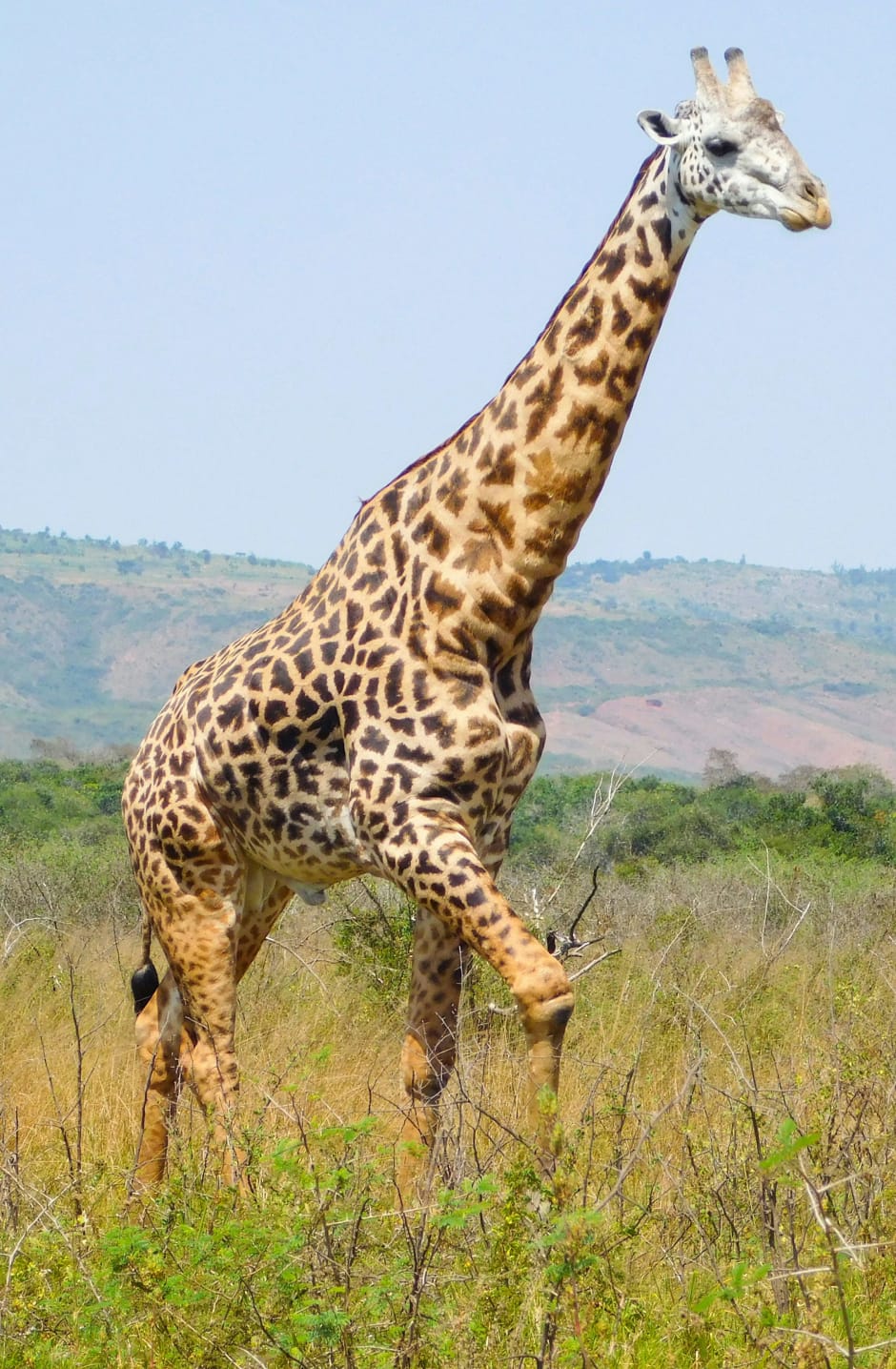
Ondernemers in het wild (Entrepreneurs in the Wild) reveals that park residents have to deal with crops that have to make way for park fences without compensation, dangerous animals such as elephants that residents are not allowed to defend themselves against, and even abuse by rangers for fishing in prohibited areas.
Despite the NGO’s originally noble goals, such as increasing biodiversity and stimulating the local economy, a picture is emerging of a “kind of warlike attitude towards the surrounding population,” according to Van Beemen. African Parks’ position as market leader is partly due to the low costs incurred by governments for the tightly organised parks.
According to the contracts it signs, African Parks also takes on many socio-economic obligations, promising to build windmills or schools, and manages to maintain its position reasonably well in sometimes politically complex areas with the help of donors. “African Parks not only covers the costs of ranger instructors and uniforms, but all costs incurred by the government.”
Torture method “The swing”
For a long time, Van Beemen was completely thwarted by the company's communications department and denied access to African Parks' nature reserves. After two years of tireless perseverance, the investigative journalist was allowed to enter a nature reserve in Zambia with African Parks employees. “A former employee thought it was the most boring park.”
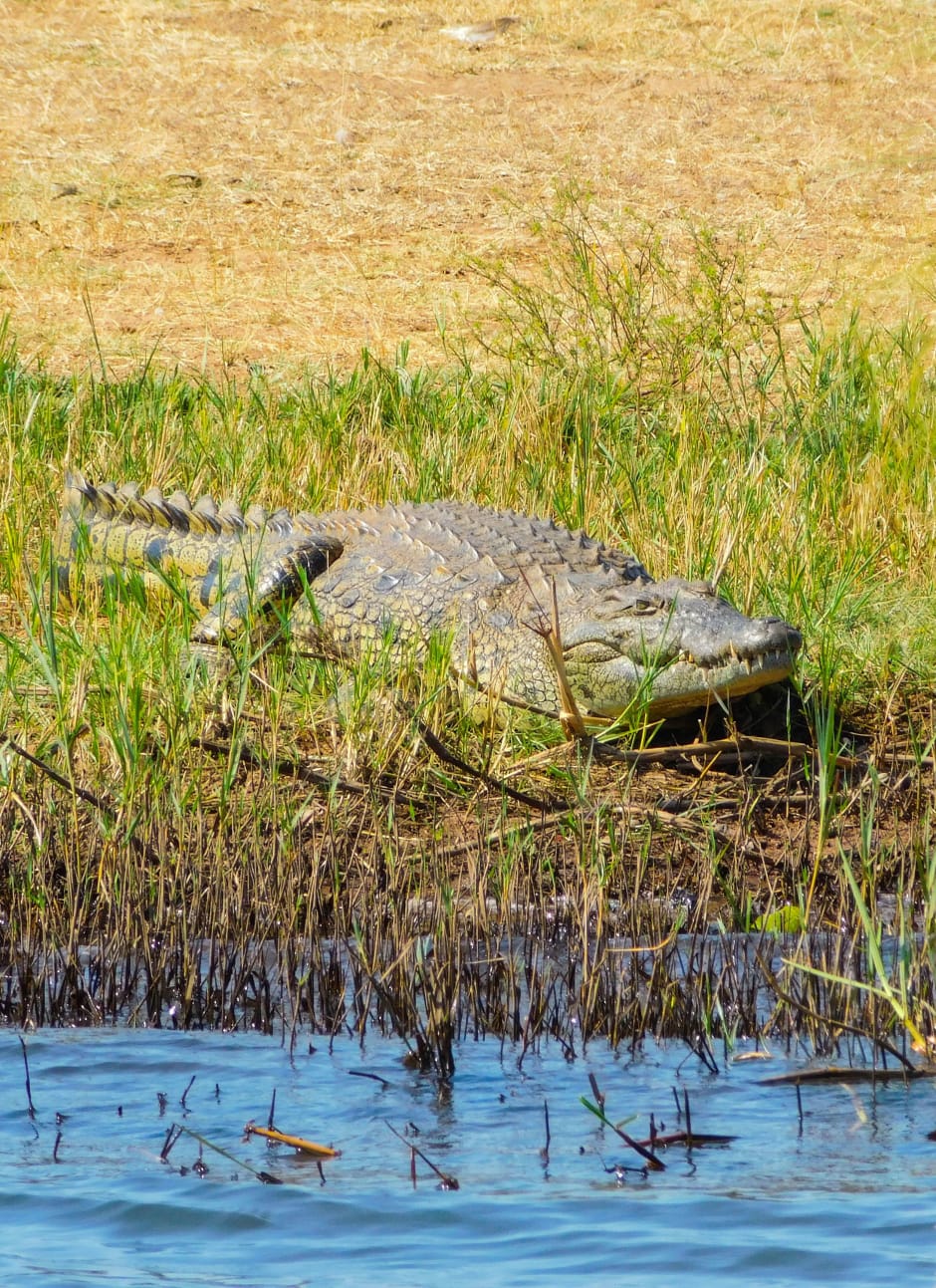
“But the rangers are trained to view people living in the surrounding area as potential poachers,” Van Beemen observed. “That’s what they learn from their instructors, who are often former military personnel from South Africa, Israel or France.” This means that even in the Zambian park, many normal park residents are seen as potential poachers. “In some parks, for example, it is illegal to collect leaves to cover the roof of your house, something people have been doing for years. Or to pick plants for their medicinal properties. And then, as a park resident, you run the risk of being approached very aggressively by the rangers.”
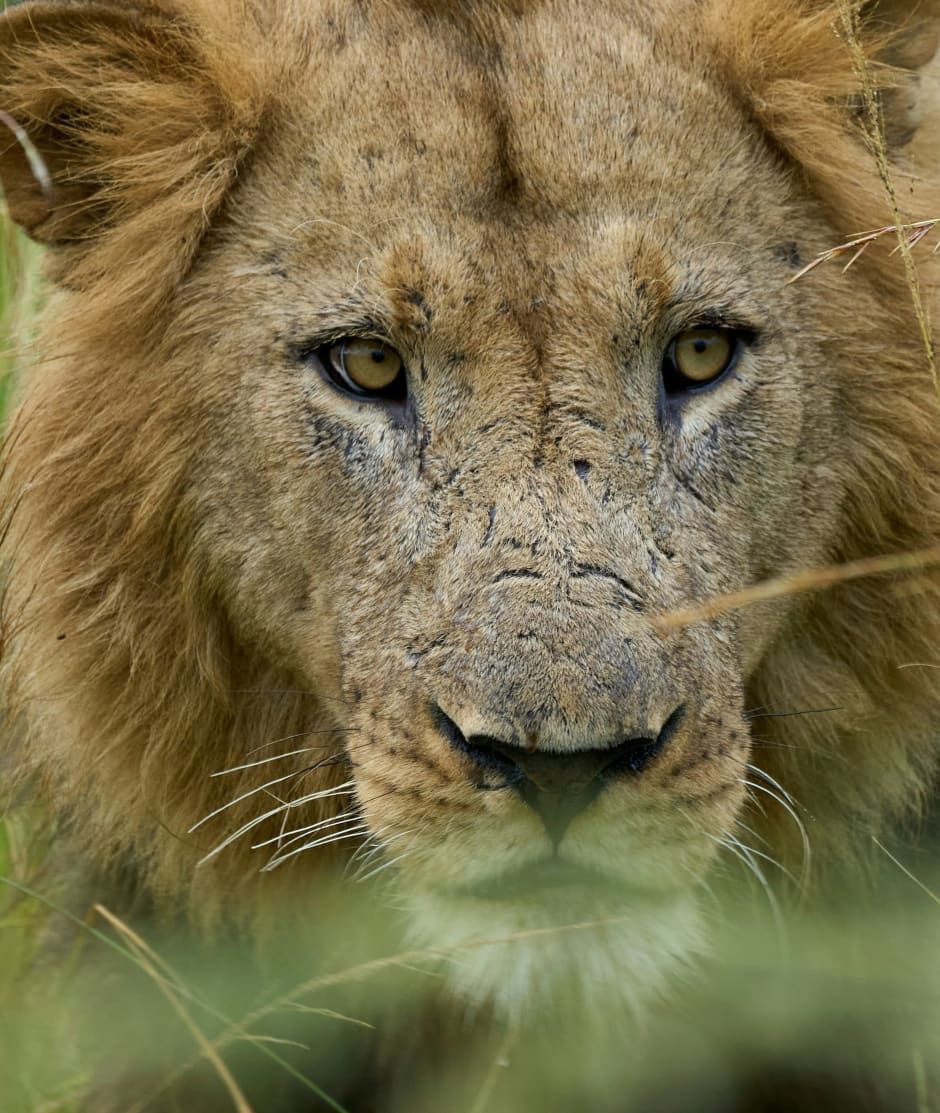
Several former rangers from the Zambian park talk about a torture method called the “Swing” for alleged poachers. “You are tied up with your hands and feet behind your back and hung from a branch,” Van Beemen writes in his book. “Meanwhile, the person is beaten with sticks.” Van Beemen discovered that many innocent Zambians were known to have suffered this fate.
Millions in damages
Van Beemen himself was also threatened. According to internal sources, a former FBI agent working for African Parks carefully investigated him. When he tried to talk to sources around the park in Benin, he was arrested on suspicion of espionage. African Parks claimed it had nothing to do with the arrest.
African Parks also threatened to file a multi-million claim against the freelance journalist for defamation if he published his book. The experienced Van Beemen slept poorly for days. “But for them, it’s also a risk that a lawsuit will generate even more publicity for the book.” Indeed, no legal action was taken after the publication of Ondernemers in het wild (Entrepreneurs in the Wild).
Nevertheless, Van Beemen’s dream about Africa has never been destroyed. Unlike the African Parks board, he claims, the journalist did not have an “Out of Africa” image of the continent. And he was able to enjoy that one holiday with his family in Zambia and Botswana just like anyone else. Whether African Parks can keep its African dream alive remains to be seen. Van Beemen:“'I think it is important that everyone involved asks themselves whether this form of nature conservation has a future.”