Can education at the Faculty of Science get by with fewer student assistants?

All faculties at the University of Amsterdam (UvA) must tighten their belts, including the Faculty of Science (FNWI). And that means fewer electives, larger tutorial groups and far fewer student assistants. Will this be at the expense of the quality of education?

With rising costs, a drop in the number of (international) students and cutbacks in higher education, the Faculty of Science will have to swim against the current in the coming years to get its budget back under control. This is stated in the faculty’s long-term plan, which the management team will submit to the Executive Board next week.
No one will be fired yet. By using reserves, reducing square metres (the rejection of SP107, the building next to Nikhef) and other optimisations, the budget should be limited to minus 5.5 million euros by 2025. From 2028, the balance should be back at zero.
This means that substantial cutbacks will be necessary in the coming years, and education will not be spared. The range of small electives will be reduced, the size of working groups will increase and fewer student assistants will be employed. What impact will this have on the quality of education?

Fewer student assistants
For the time being, the effects on the quality of education are minimal, thinks Marcel Vreeswijk, vice-dean of the Faculty of Science. According to him, many aspects of education can be organised even more efficiently. In addition, the decrease in the number of students at the science faculty – a trend that is expected to continue in the coming years – means that fewer student assistants will be needed.
In addition, fewer students than expected always turn up for tutorials. Vreeswijk: “The teaching staff have often already been hired by that point and that is money down the drain.” For that reason, Vreeswijk wants to “normalise” tutorials, which means setting a group size of 20 to 25 students for each tutorial. That number is often not reached because there are always students that do not show up, sometimes because they enrol for more courses than they end up taking. Vreeswijk: “For that reason, we have also introduced a maximum of 42 EC (study credits) that students in the 5th semester (30 EC) can enrol for.”
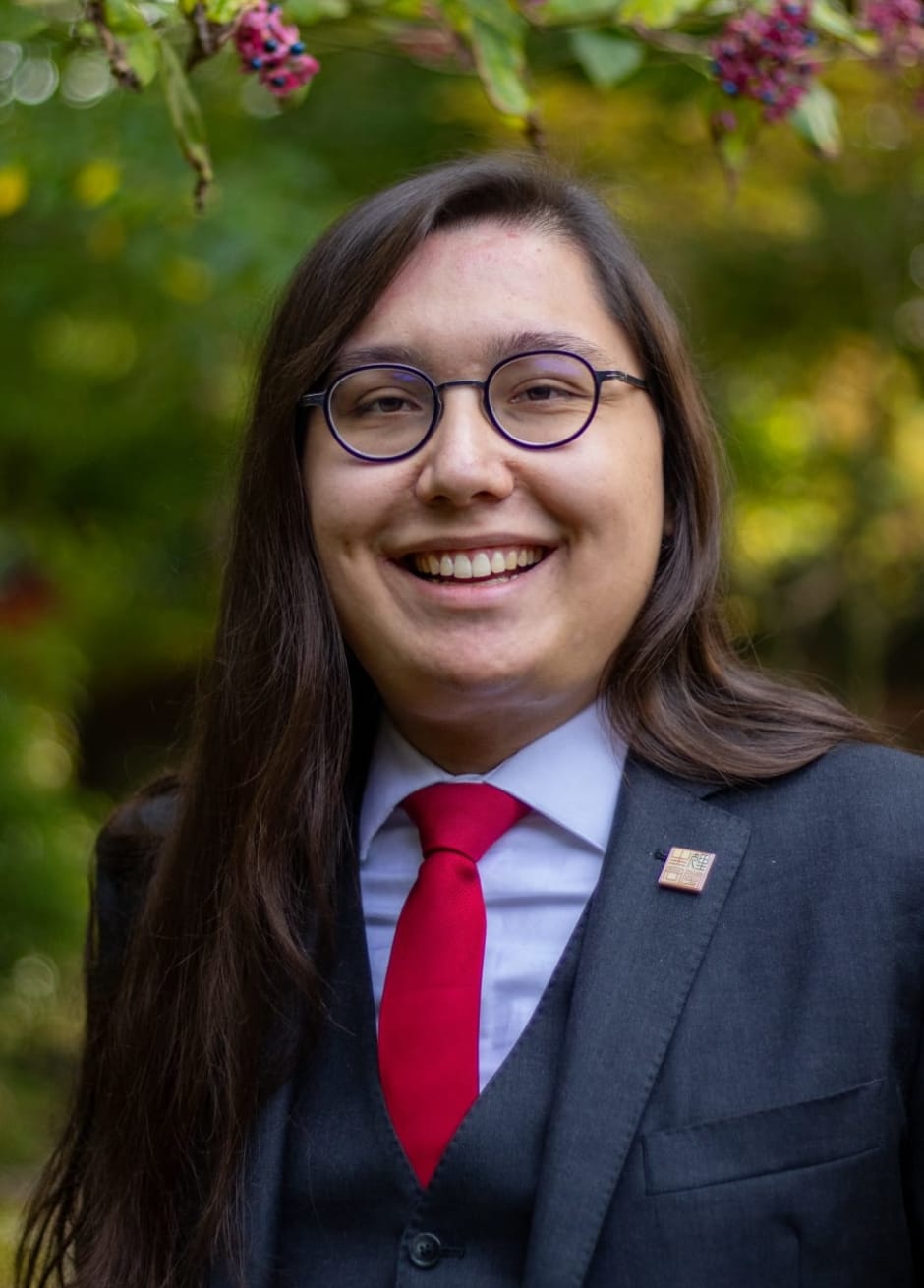
The larger work groups will reduce the number of contact and feedback moments for students. “Until now, we regularly had two supervisors for a work group of fifteen to twenty students,” says Robin Wacanno, education commissioner at the Faculty Student Council (FSR) of the Faculty of Science and, since 2019, student assistant in computer science. “Sometimes we couldn’t even handle a seminar with lots of questions. If that becomes one supervisor or if the groups get bigger, there will be even less support per student.”
Instead of student assistants, researchers and PhD students will be used more often to supervise seminars. “We have chosen to work with the people we have employed,” explains Vreeswijk. “And therefore to cut back on freelancers and external parties. These are also student assistants.” According to Vreeswijk, this would even benefit the quality of education because researchers and PhD students have more experience and subject knowledge than student assistants.
The FSR also sees the downside of this policy. “I understand that the faculty has to cut back and that cutting back on student assistants is relatively simple because the contract is renewed every six months,” says Wacanno. “But a student assistant can sometimes help a student better because they have studied the subject fairly recently and are more familiar with the material. PhD students often come from another university and must first familiarise themselves with the subject. Student assistants also tend to speak Dutch, the language of the bachelor’s programmes at the Faculty of Science, while PhD students tend to speak English. In terms of content, the PhD students are very strong, but they are often further removed from the students.”
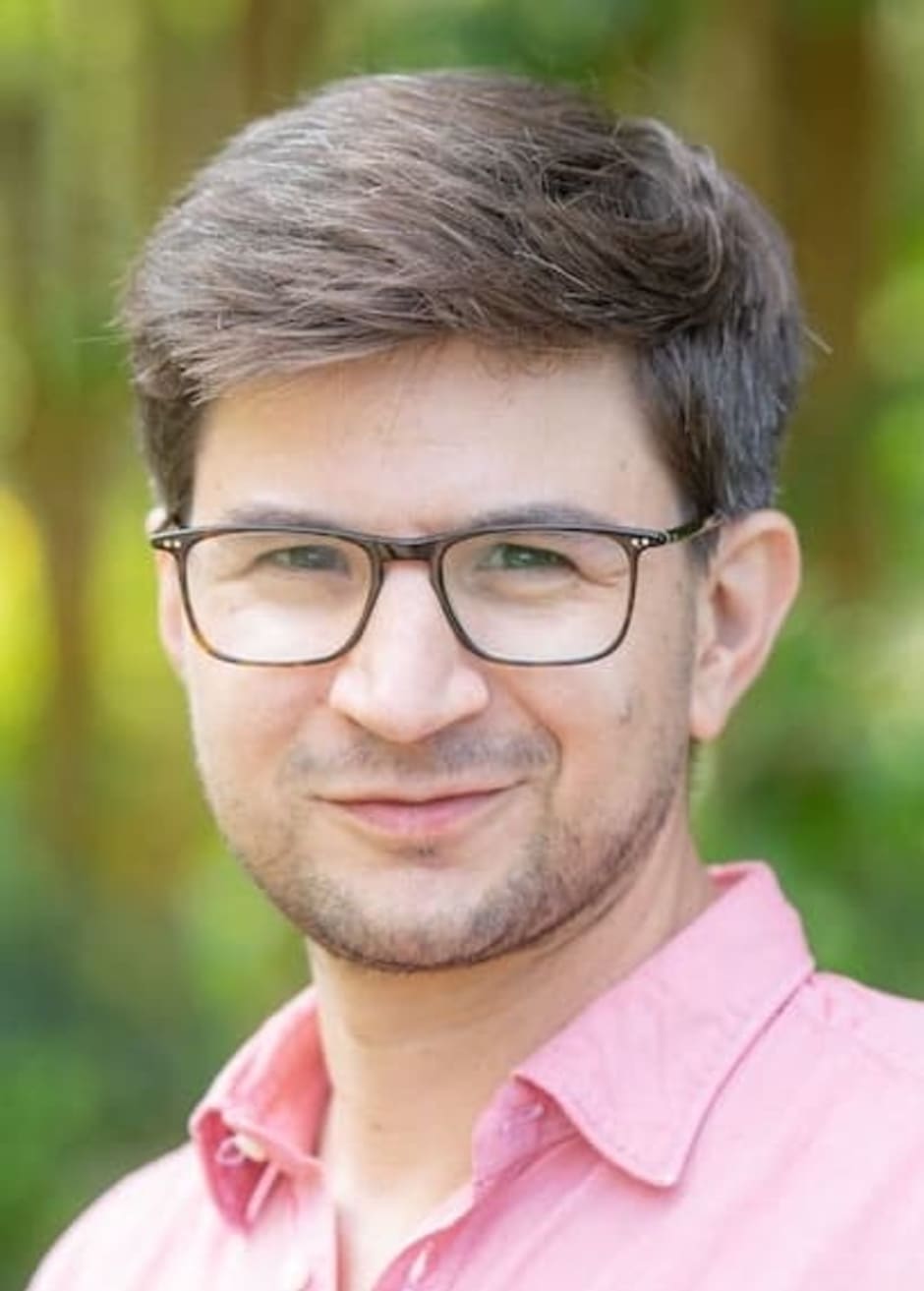
Chase Broedersz, programme director of the physics and astronomy bachelor’s programme at the University of Amsterdam and VU Amsterdam, also recognises this. “We are currently applying the measure mainly where we think it can add value to education. For that reason, student assistants are still being used for first-year courses and some second-year courses, and more work is being done with PhD students and teachers, especially in senior courses.”
“Our estimate is that this will result in a 20 percent reduction in student assistants in the academic year ‘25/’26 compared to ‘23/’24,” says Broedersz. “That will result in significant savings. You not only save on the salaries of student assistants, but also on all the administration behind the scenes to arrange the contracts. The money we save in this way goes back to the research institutes, so it stays within the university.”
Higher workload for teachers
With the savings on student assistants, researchers will have to teach more classes. “That is possible because we currently have more teaching capacity than we use,” says Broedersz, “But there is a maximum capacity. After all, there must be time left over for research as well.”
That is why the faculty wants to implement the measure gradually. Broedersz: “This year we are asking our staff to work less with student assistants and to make the work groups larger. In September, we want to phase out the student assistants in the second and third years of the bachelor’s programme. In this way, we want to see if we can bring about a cultural change and at the same time keep our finger on the pulse to prevent people from becoming overburdened.”
And that could mean that researchers do less research in the coming years, according to Vreeswijk. “That fits in well with the Recognition & Rewards programme (Erkennen & Waarderen red.), which means that as a researcher you are no longer judged solely on research results. That programme actually offers a lot of room to focus on education.”
Moreover, according to Vreeswijk, it could lead to teachers involving students more in research. “I can already see researchers in a time crunch involving master’s or bachelor’s students in their research. That could be interesting for education.”
Small electives
And then there are the small electives, courses with fewer than ten students, which will be cut at the Faculty of Science. “We are trying to keep the courses that serve as a gateway to a research domain with many opportunities for students,” says Vreeswijk. “But we cannot maintain the current number of courses. It’s also about everything that surrounds it, the timetablers, grade processing, study advisors, examination boards, and also the workload for the academic staff.’
That is a loss, according to Vreeswijk. “Providing choice is also part of the quality of education. With these measures, we have now taken out all the air that was left in the education system. So if we get another blow like this in 2028 – and we really have to close off research directions for students – then the fun will really be over.” Although he remains optimistic. “With the current measures, we can still look forward to a bright future.”