Festival tickets are becoming more and more expensive, is Lowlands still possible for students?

Multi-day festivals are usually very popular among students and young people in the Netherlands, but in recent years ticket prices rose dramatically. In the past few weeks, ticket sales started for well-known festivals like Down The Rabbit Hole and Best Kept Secret, and tickets for next summer are once again pricier than last year. Are such festivals still affordable for students?
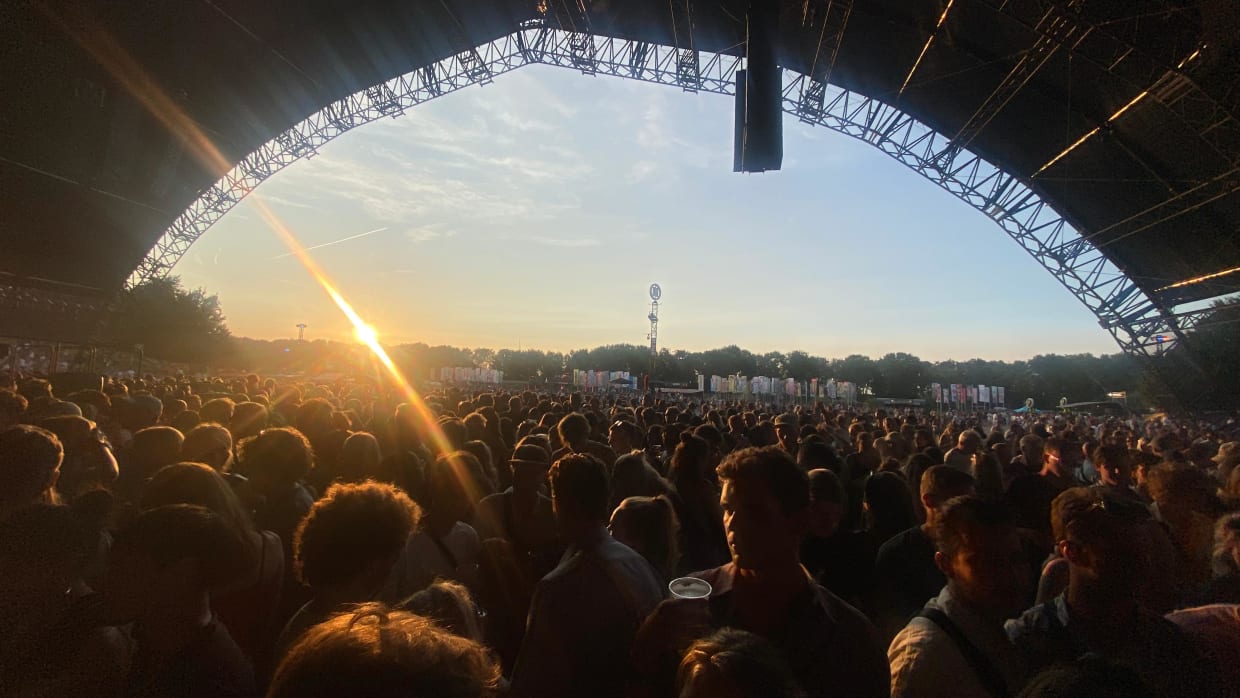
The origins of the first festivals happened in a period in history when a unique youth culture first took shape. The iconic first edition of Woodstock, which took place in 1969, was based on a counter-movement of young people massively opposed to their parents and governments. The same period also marks the birth of Pinkpop in the Netherlands, which grew out of a similar need to bring young people together. There was too little to do for young people in Limburg, the founders judged, so something had to be organised. And so it turned out. On Whit Monday in 1970, ten thousand (mostly young) people were dancing together at a festival for 3.50 guilders. Even the organisation consisted of young people back then. Jan Smeets, who remained festival director at Pinkpop until 2020, joined the organisation of the festival at the age of twenty-three.
Now, more than 50 years later, it remains to be seen whether the increasingly expensive festivals are still there for that same group of young people. All major festivals in the Netherlands have drastically raised their prices in recent years. Especially after the corona pandemic, there has been a huge increase. For instance, a ticket for Best Kept Secret, including camping spot, still cost €180 in 2019, while a ticket for the 2025 edition comes down to €299. An increase of 66 per cent. For Down The Rabbit Hole, a ticket cost one €169 in 2019, while the price for upcoming edition has risen to €299. An increase of a remarkable 77 per cent.
Next Generation
Festival organisers are aware that tickets are becoming less and less accessible to students and young people like this. Best Kept Secret is trying to overcome this problem by introducing Next Generation Tickets. Visitors who are 21 years old or younger when the festival starts get a 30 per cent discount. "Because we are aware the cost of living is increasing, and this especially affects young people. That’s why we want to give the New Generation a chance to join us at a reduced rate," the site reads.
Eric van Eerdenburg, festival director of perhaps the most popular festival among young people, Lowlands, also resents the price increases. "You obviously want your festival to be as accessible as possible to your primary target group. And those are obviously young people starting out on the job market, who are students," he said in conversation with BNR earlier this year. Still, according to Van Eerdenburg, the rise in ticket prices is "inevitable." For a Lowlands ticket, a visitor in 2019 spent €210. For last year's edition, the price rose to €325. An increase of 55 per cent, in other words.
The importance of experiencing events like this together cannot be underestimated, according to music scholar Vincent Meelberg, who told Vox in 2021. "It is not without reason that youth subcultures form around music. But if, as a punk or goth, you only listen to music in your room, you cannot derive an identity from it. The key is to do that together with others."
Community
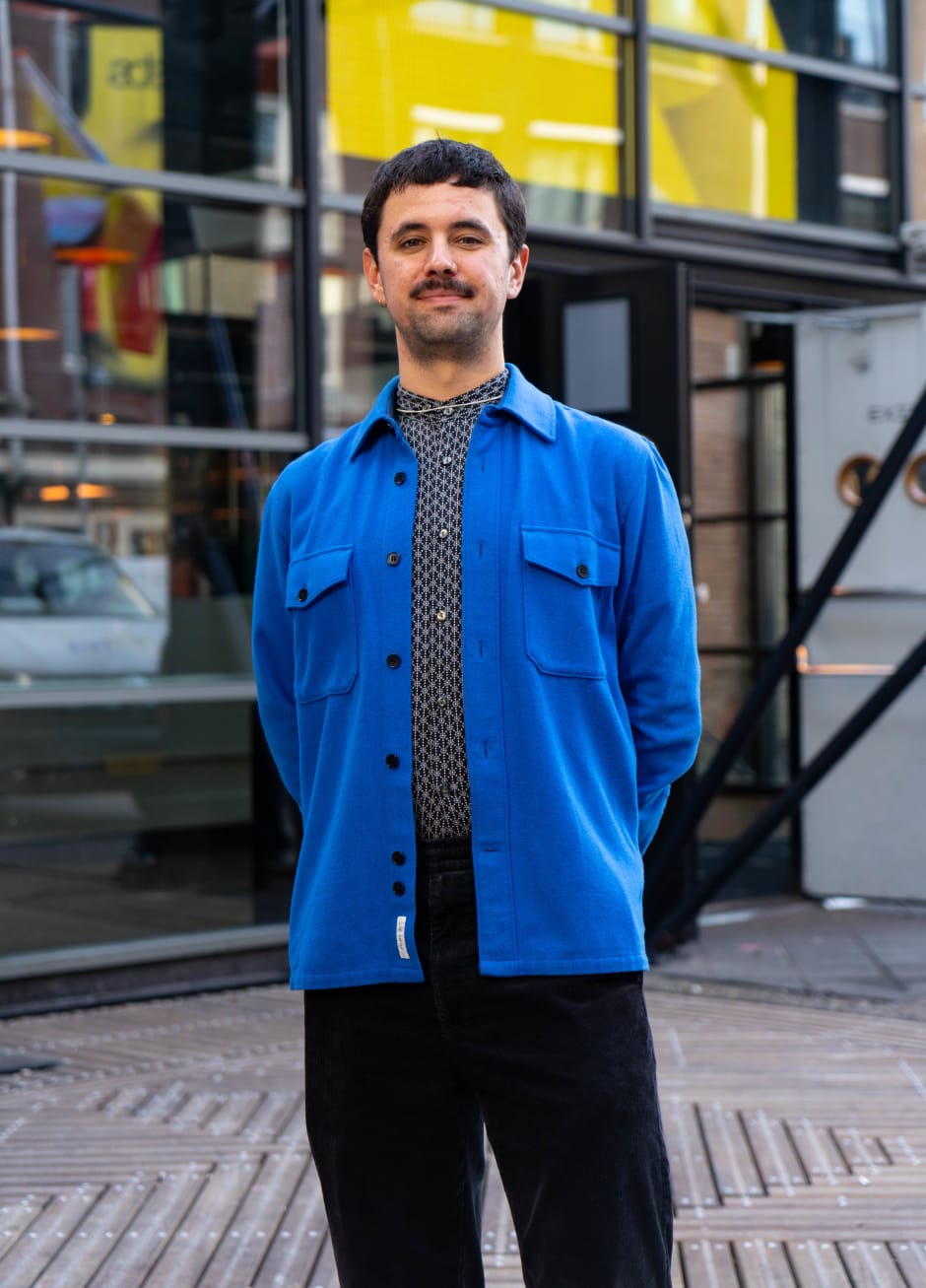
UvA lecturer in Musicology Sydney Schelvis agrees. "At festivals, a community is created. On a social level, young people also derive part of their cultural identity from the music they listen to and the festivals they attend," he explains. "Whether you are someone who goes to Wildeburg or, on the contrary, want to be someone who absolutely does not go to Pinkpop. That says something about the type of person you associate yourself with."
For festival organisers themselves, too, Schelvis says it is crucial to keep young people and students engaged. "For the sustainability of a festival, it is important that they continue to appeal to the younger audience, even if it is not the demographic that has the most money. Programmers try to do this by booking up-and-coming acts, but they don't always succeed. Last year, for example, Pinkpop made quite a blunder because they failed to appeal to the new generation."
Still, he notes that even as prices continue to rise, most major festivals continue to succeed in attracting younger generations. "Students have to make stark choices, letting go of other things to still be able to go to Lowlands. Yet festivals like that get sold out by default. It is similar to going on holiday. Whatever happens, that festival visit will happen. The timing of the first announcements and ticket sales, when everyone is getting a thirteenth month or some holiday money paid in, is also conveniently chosen. The summer holidays are often not booked yet, so the festival ticket comes on your path first. Then when the whole group of friends goes, of course you don't pass up."
On the future of students and young people at festivals, Schelvis is hopeful. "I don't think tickets will eventually become so expensive that it will become truly unaffordable. In the Netherlands, prices for live music are really pushed down a lot. A concert in Paradiso or the Melkweg is considerably cheaper than in London, Brussels or Paris. Precisely because of those young people. Festival directors also speak out about this. Prices like at Coachella are therefore really not going to happen here."