Parliament wants police to share data on ‘disruptive’ students with universities

The police should in future be allowed to share the data of students involved in criminal offences or serious public-order disturbances with their university. A majority in the Dutch House of Representatives supports this. A motion by the SGP and JA21 to enable this data sharing was adopted on Monday.
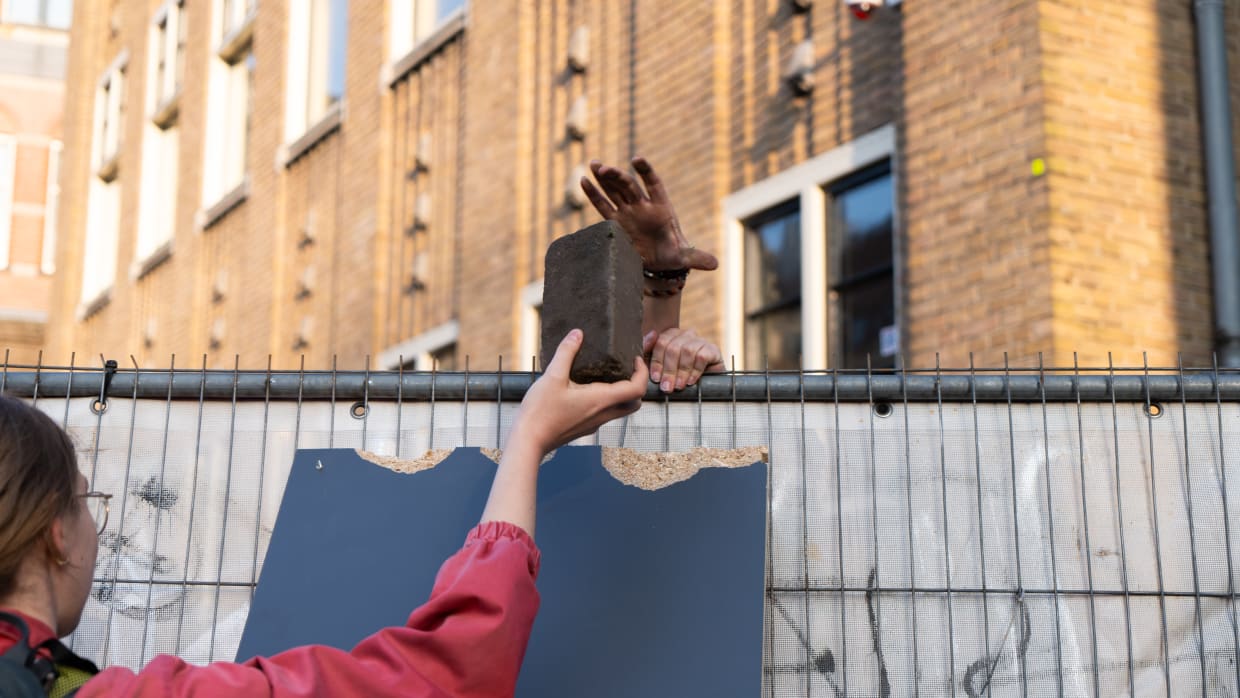
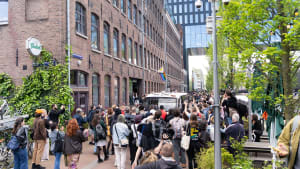
Occupied lecture halls, barricaded doors, graffiti-covered walls, and vandalised computers: the Dutch House of Representatives believes universities should be able to take stronger action against students who misbehave during demonstrations. On Monday, a motion was adopted calling for a “joint operational framework” involving the Public Prosecution Service, the police, and universities. Through this framework, the police would be expected to share information more easily with universities about students who commit criminal offences.
The aim is to allow universities to identify these students more quickly and take disciplinary measures. The motion refers to a provision in Dutch higher education law (Article 7.57h WHW) that gives universities the authority to deny disruptive students access to campus or even expel them.
Trapped in Freedoms
The motion by the SGP and JA21 emerged from the parliamentary debate on the report Trapped in Freedoms (Gevangen in vrijheden). The report states that Jewish students and staff increasingly feel unsafe on campus. The task force behind the report recommended giving universities more room to intervene in cases of public disorder. In addition to the proposing parties, the VVD, PVV, CDA, BBB, ChristenUnie, 50Plus, Group Markuszower, and independent MP Keijzer also voted in favour of the motion.
Legally feasible?
It is still unclear whether the motion is legally enforceable. This will first need to be investigated. IT law expert Gerard Ritsema van Eck of the University of Groningen told UKrant that he doubts whether police data can legally be shared with universities: “If the minister wants the police to share information with other parties, a specific legal arrangement must be created for that. But that is only possible on the basis of an overriding public interest.” Since the right to demonstrate is a fundamental right, Ritsema van Eck suspects it will be difficult to establish such an overriding interest.
During last month’s debate, Minister of Justice and Security David van Weel said he could support the motion: “We must, of course, comply with the legal restrictions on sharing data. If we encounter obstacles in doing so, we will address them.”