Students experience unwanted behavior at the UvA more often

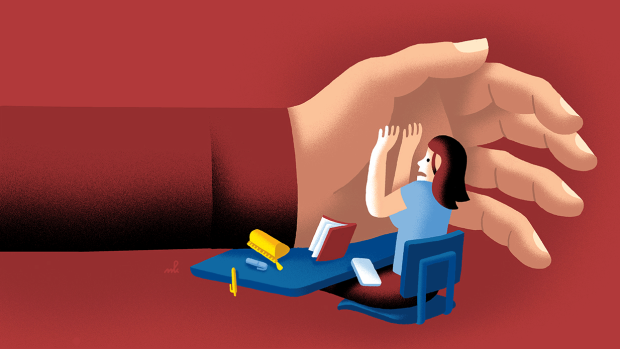
UvA students are increasingly encountering unwanted behavior at the university. This emerges from the 2024–25 Student Social Safety Monitor, a survey conducted by the university among its students. International students, in particular, appear to face unwanted behavior relatively frequently.
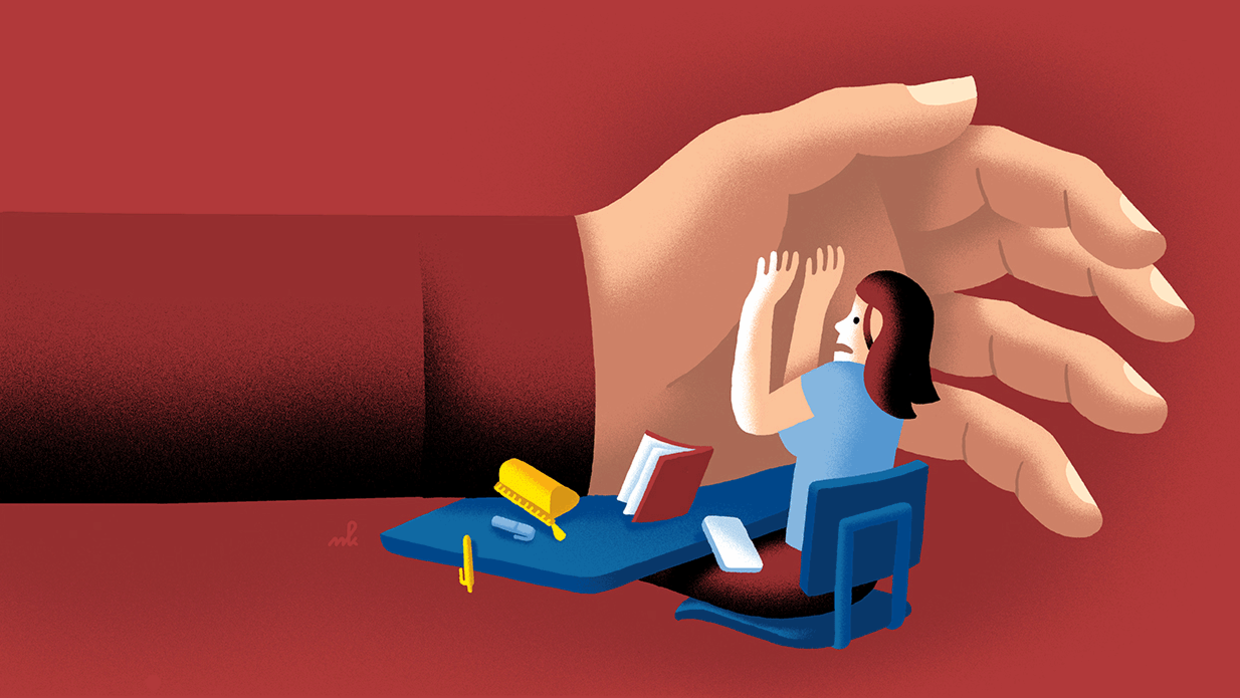
More students at the University of Amsterdam report experiencing unwanted behavior. According to the 2024–2025 Student Social Safety Monitor, this includes discrimination, verbal aggression, and intimidation. Reports of physical violence are also more frequent than in previous surveys.
The UvA conducts the Student Social Safety Monitor annually among a sample of 8,000 students to measure experiences of unwanted behavior within the (digital) university environment. The figures in this article concern the 2024-2025 academic year. With a response rate of 12.2 percent, the UvA notes that “a fully representative picture cannot be drawn.”
In the survey – which received responses from a total of 972 students – 13.2 percent of respondents reported experiencing discrimination “within the (digital) walls of the UvA” during the past academic year. Just over ten percent of surveyed students said they had been victims of verbal aggression or intimidation, and nearly five percent reported experiencing physical violence. These figures are significantly higher than in the previous edition of the survey from 2022-23. Regarding physical violence, the incidence has even quadrupled. The Student Social Safety Monitor was not conducted in 2023-24.
The text continues after the chart.
International Students
The monitor also shows that international students experience significantly more unwanted behavior than Dutch students. According to the study, this difference cannot be attributed to specific forms of unwanted behavior: almost all types are reported more frequently by international students. Students from countries outside the EEA (European Economic Area) report being discriminated against particularly often: one in three respondents from these countries said they had experienced discrimination.
The text continues after the chart.
Foreign students also feel less at home at the UvA than Dutch students. About 40 percent of surveyed foreign students say they do not feel – or only weakly feel – at home at the university. Moreover, this percentage has been declining for several years. Compared with the previous edition of the survey, the drop is particularly significant among non-EEA students: in 2023, 38 percent of respondents from outside the EEA reported feeling at home at the university. In the most recent survey, that figure has fallen to just 23 percent.
The text continues after the chart.

Executive Board
In response, the Executive Board (CvB) said it has taken note of the monitor’s findings with concern. According to the CvB, the results highlight the need for targeted attention to international students: “They report unwanted behavior more frequently and experience a greater emotional impact as a result. One possible explanation is that they less often have a strong social network to fall back on, which increases the perceived burden. We take these signals very seriously.”
To structurally strengthen social safety, the UvA is working on an action plan. Social networks will be reinforced, and the accessibility of support and information will be improved. Vulnerable groups, such as international students and students with disabilities, will receive extra attention through orientation programs, buddy systems, and peer support. In addition, the CvB wants social and psychological safety to become an integral part of the educational experience.